In a rare hands‑on effort, Defense Secretary Pete Hegseth worked closely with CBS to bring the dramatic rescue of two F‑15 crew members—shot down over Iran in April—to a national audience on “60 Minutes.” The Pentagon confirmed that the decision to appear on the program was entirely up to the airmen, with one pilot, nicknamed “Bravo,” agreeing to speak and the other, “Alpha,” opting out.
Voluntary participation and security safeguards
According to multiple sources familiar with the process, both crew members initially expressed reservations about the interview. One pilot even feared he might be compelled to appear. After hearing their concerns, Hegseth met privately with the airmen and asked whether they wished to participate, rather than issuing a directive. The result was a voluntary appearance by “Bravo,” while “Alpha” declined.
Pentagon spokesperson Sean Parnell emphasized that the department took “great care to ensure operational security, sources, and methods were protected” and that the interview did not compromise any classified information. “The decision to participate was each pilot’s alone—because it is their story,” Parnell said, adding that the segment highlights the bravery of U.S. service members without endangering ongoing operations.
Media interest and production effort
The story attracted intense interest from major news outlets. CBS producer Keith Sharman, a 25‑year veteran of “60 Minutes,” reached out to military contacts shortly after the rescue to secure the interview. CBS News editor in chief Bari Weiss labeled the crew members’ bookings a “top priority” and personally lobbied Hegseth for exclusive access. Weiss also consulted other Trump‑administration officials during the outreach.
Internal changes at “60 Minutes” added urgency to the effort. Weiss oversaw the removal of several correspondents and the appointment of new executive producer Nick Bilton, who sought a high‑impact story for the season premiere scheduled for September 13. The CBS team ultimately secured the interview in mid‑July, with filming taking place in mid‑August.
Military leadership’s perspective
While some uniformed service members voiced concern that the segment could be used for political purposes, senior defense officials defended the outreach. Joint Chiefs Chairman Gen. Dan Caine expressed apprehension that the interview might inadvertently reveal tactics, yet he still supported the segment, trusting that the Pentagon’s safeguards would prevent any security breach.
Hegseth’s senior adviser Tami Radabaugh, a former Fox News producer, coordinated much of the media planning, ensuring that the narrative highlighted the successful rescue while respecting the airmen’s wishes.
Rescue details and heroism
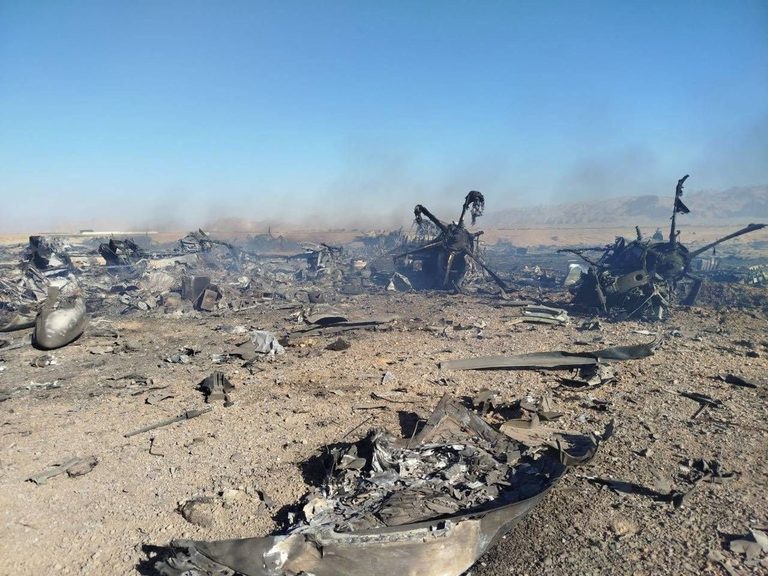
The rescue operation saw the pilot located within hours of the aircraft’s downing. The weapons systems officer evaded capture for more than a day, scaling rugged terrain to a 7,000‑foot ridgeline with only a pistol, a communication device, and a tracking beacon. He was eventually extracted by U.S. commandos, supported by aircraft dropping bombs to clear the area.
The “60 Minutes” preview shows “Bravo” sitting silently as correspondent Norah O’Donnell asks, “Did you ever have any doubt that the U.S. military was coming for you?” The segment aims to honor the courage of the service members and the effectiveness of the rescue mission.
Administration’s communication strategy
Hegseth’s involvement reflects the administration’s broader effort to communicate military successes to the American public. By allowing the airmen to tell their own story, the Department of Defense demonstrates transparency and respect for the individuals who serve, while also reinforcing confidence in U.S. military capabilities amid ongoing tensions with Iran.
Original reporting: KTVZ (Central Oregon) — read the source article.