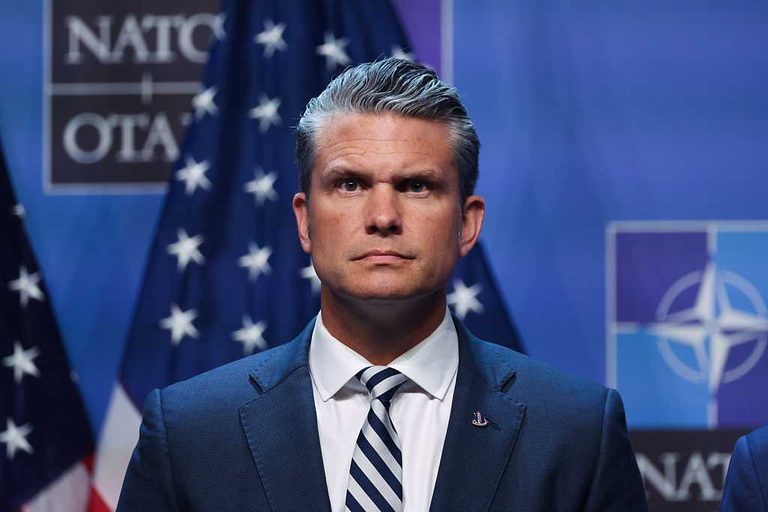
Defense Secretary Pete Hegseth has announced a new policy to test troops for low testosterone levels, citing the need for service members to operate at their “absolute best.” The new screenings will be conducted annually as part of service members’ required medical screenings for those 30 and older, with troops under 30 able to volunteer for testing.
Background
The move comes as other Trump administration officials have begun to advocate for easier access to testosterone replacement therapies. However, the messaging from Hegseth and others blends known science on the hormone with broader, less substantiated claims.
When asked about the conditions Hegseth was looking to address with the new policy, the Pentagon referred to Hegseth’s remarks in a video that talked about keeping troops “strong, resilient, and capable” and that the rigors of the modern battlefield demand “maximum psychological and mental readiness.” The Pentagon would not offer specific conditions or diseases that were being targeted by the policy.
Testosterone levels in men decline naturally with age and have long been linked to issues like erectile dysfunction, low libido, mood changes, and weight gain. But experts have debated for years how to diagnose these problems and whether they should be treated by replacing the hormone.
Reaction and Context
Hegseth’s announcement comes as Health Secretary Robert F. Kennedy Jr. and other Trump administration officials are moving to make it easier for doctors to prescribe testosterone. Last month, the Food and Drug Administration proposed easing prescribing limits on testosterone gels, pills, patches, and injections.
Recent studies have bolstered the case for testosterone’s benefits for certain conditions, while allaying worries about its safety — particularly concerns about heart safety. Last year, the FDA removed a boxed warning about possible risks of heart attack and stroke from the drugs.
Original reporting: KCCI Des Moines — read the source article.