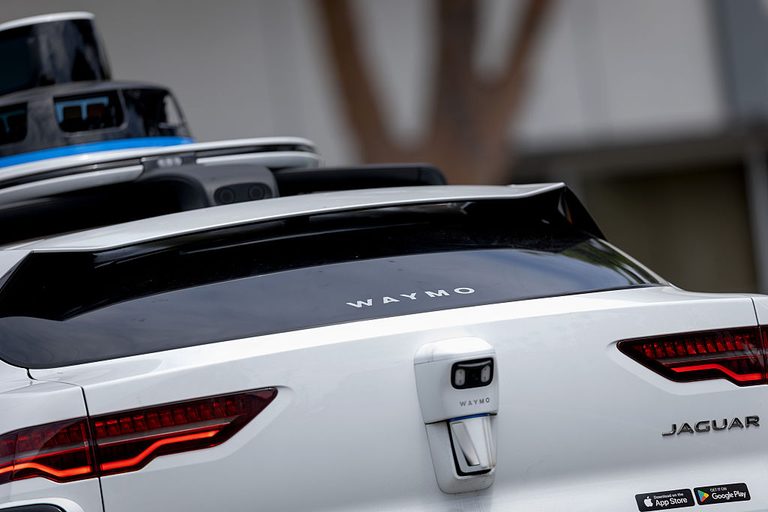
Washington, D.C. – On Thursday, D.C. Councilmember Charles Allen presented an updated version of the Autonomous Vehicle Deployment Authorization Amendment Act of 2026 to the Committee on Transportation and the Environment. If approved, the legislation would permit fully driverless rideshare vehicles, often called “robotaxis,” to operate in the District beginning in 2028.
Key provisions of the bill
The bill moves the current testing regime— which requires a human safety driver—into a new, driverless testing phase that would allow limited passenger service. It also imposes a cap of 800 autonomous vehicles across all operators, ensuring that the streets do not become overwhelmed.
Beyond safety, the legislation addresses labor and accessibility concerns. It would grant rideshare drivers and workers at autonomous‑vehicle maintenance facilities the right to organize, a protection not currently available to independent contractors under federal law. The bill also requires that autonomous‑vehicle services be accessible to people with disabilities, and it establishes strong protections for anyone injured in a crash involving a driverless car.
Safety and community benefits
Allen emphasized that proactive regulation is essential. “If you believe autonomous vehicles will eventually become common on our roads, as I do, then it makes sense to regulate them on our terms,” he said. He argued that early rules will let the District learn from other cities’ experiences and avoid the mistakes made when rideshare companies entered the market without oversight.
Supporters contend that robotaxis can improve overall safety. Because autonomous systems are programmed to obey traffic laws and cannot become impaired or distracted, they may reduce dangerous driving behavior. “The guiding principle for allowing an AV to operate in the District is safety, in particular for pedestrians,” Allen added.
Addressing labor concerns
Unions have voiced worries that driverless vehicles could cut jobs for traditional rideshare and taxi drivers. The bill’s labor‑rights language seeks to balance innovation with protection for workers. By granting organizing rights, the legislation aims to give autonomous‑vehicle employees a voice that independent contractors typically lack.
During an October protest, union officials clarified that they are not opposed to the technology itself, but they want assurances that drivers will not be left behind. The updated bill attempts to meet those concerns while still moving the District toward modern transportation options.
Next steps
The bill now heads to a full council vote. If passed, Washington, D.C. would join a growing list of municipalities preparing for driverless transportation, while maintaining a focus on safety, accessibility, and workers’ rights.
Waymo, the company that has logged more than 300,000 test miles in the District, has been operating autonomous vehicles with safety drivers for two years. The new legislation would allow the company—and other operators—to transition to fully driverless service under the oversight framework established by the council.
Original reporting: Arlington County | FOX 5 DC — read the source article.