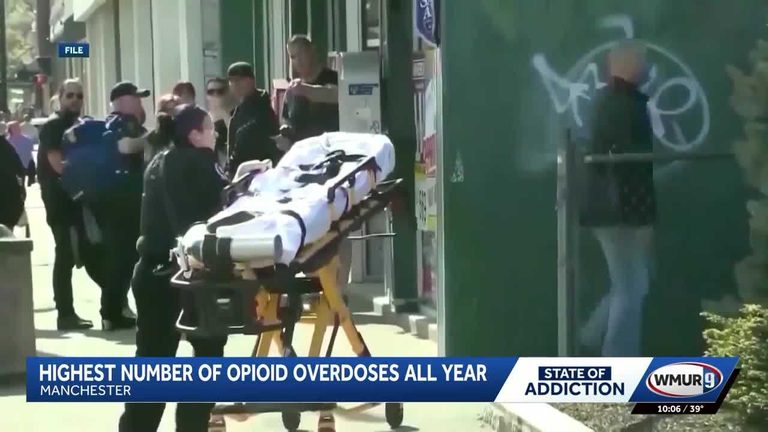
Manchester, N.H. – The city recorded 37 suspected overdoses in October, the most in any month so far this year. Even with that rise, officials say Manchester is still on course for a historic low in fatal overdoses, projecting a 22% reduction in deaths compared with 2025.
Local officials highlight progress
“Manchester is still on track to have a 22% reduction in the number of fatalities versus last year, which will put it at an all‑time low,” said Chris Stawasz, regional director of American Medical Response. He added that the trend reflects continued effort by first‑responders, treatment providers, and community partners.
October spike explained
Stawasz noted that overdose spikes can be unpredictable. “There’s really no rhyme or reason to when you’re going to get a spike,” he said, emphasizing the difficulty of pinpointing exact causes. He referenced a Brown University study linking colder weather to a 25% increase in fatal overdoses in the days following a cold snap in parts of New England.
“You get people that congregate together and obviously that can lead to more, an easier ability to pass drugs to one another,” Stawasz explained, suggesting that seasonal social patterns may contribute to higher incident counts.
Broader regional outlook
The state’s two largest cities, Manchester and Nashua, are both projected to finish the year with some of the lowest overdose death totals on record. This reflects a broader regional effort to combat the opioid crisis through expanded access to treatment, naloxone distribution, and public‑education campaigns.
Continuing challenges and next steps
While the numbers are encouraging, Stawasz warned that the epidemic has not disappeared. “There’s always room for continued improvement. We have to keep focused on the epidemic. It has not gone away. It is still there, but it is getting better,” he said.
Local health agencies plan to increase outreach during colder months, enhance data‑sharing with law‑enforcement, and expand community‑based recovery resources. The goal is to sustain the downward trend in fatalities while addressing the factors that drive occasional spikes in suspected overdoses.
Community response
Community groups and faith‑based organizations have stepped up to provide support services, including counseling, peer‑recovery meetings, and safe‑use education. Their involvement underscores the importance of a whole‑community approach to a public‑health challenge that touches families across the city.
As Manchester moves toward the end of 2026, officials remain cautiously optimistic that the combined efforts of emergency responders, health providers, and community partners will continue to lower the death toll, even if occasional spikes in non‑fatal incidents occur.
Original reporting: WMUR (Hearst) – local news — read the source article.