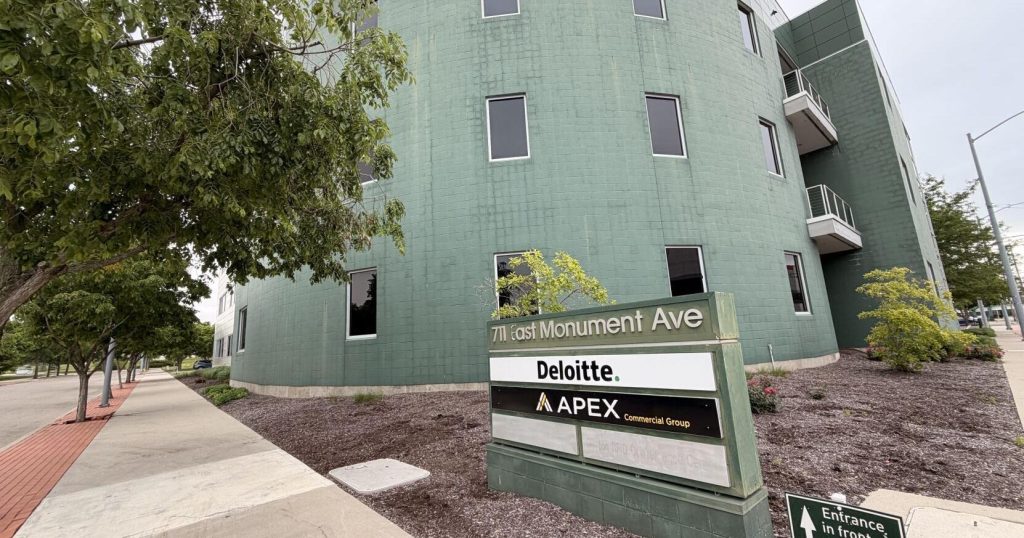
Dayton’s blood center is relocating to the Tech Town campus in Dayton, Ohio, and this move aims to reshape how donor services, testing, and community outreach operate in the city. The relocation brings the center closer to tech partners, student populations, and local hospitals, and it promises upgraded lab space and donor amenities. City leaders, center staff, and regular donors are all watching how the new location will affect access and capacity. This article walks through what the move means for donors, clinicians, and the neighborhood around Tech Town.
The biggest practical change will be space and design. The Tech Town campus offers modern lab footprints and flexible clinic areas that older facilities struggle to match, and that matters when you need faster processing and better donor flow. Staff can plan layouts that reduce wait times and handle more simultaneous donor appointments without cramming people into outdated rooms. Donors should notice a cleaner, more comfortable visit and a facility built around current best practices in blood collection and safety.
Technology partnerships at Tech Town are a real upsell for a blood center. Proximity to startups, research teams, and academic labs creates opportunities for collaboration on screening methods, inventory tracking, and perhaps donor engagement tools. Those connections can speed up the adoption of digital scheduling, automated inventory alerts, and improved lab instrumentation. For patients and hospitals that rely on steady blood supplies, sharper logistics and faster testing translate directly into better outcomes.
Community access is another key element. Tech Town sits near transit routes and student housing, which could widen the donor pool and attract more frequent donors, including young people. More donors equals more stable inventories for local hospitals and trauma centers, especially during peak demand or emergencies. The center’s outreach teams will likely use the new location to run campus drives, employer partnerships, and community events that make donating a routine part of life in Dayton.
Operationally, the move gives staff room to grow and specialize. Dedicated space for infectious disease testing, component separation, and quality control can reduce bottlenecks and support higher throughput. Training rooms on-site let teams keep up with the latest protocols without traveling to off-site facilities. That investment in people and processes tends to lower error rates and improve donor experience over time.
There are economic angles to consider, too. A blood center on the Tech Town campus brings steady foot traffic and a reliable partner for local suppliers and service providers. Contractors, lab equipment vendors, and software firms benefit from a nearby anchor tenant with ongoing needs. For Tech Town, the center adds community-facing services that complement tech firms, creating a mixed-use environment where health and innovation coexist.
Of course, moves like this have friction. Regular donors will need clear directions and updated appointment systems during the transition, and some donors who are used to the old spot may need help adjusting. Staff will have moving logistics to manage alongside maintaining uninterrupted collections, and that requires careful staging. Transparent timelines and neighborhood outreach will smooth the process and preserve donor loyalty during the changeover.
Clinicians and area hospitals will be watching inventory trends closely as the center ramps up at Tech Town. Improved testing and storage capacity should support more consistent deliveries and fewer shortages, but the benefit isn’t automatic. It comes from tighter coordination between hospitals, the center, and distribution partners, along with smart forecasting and real-time data sharing. If those pieces align, Dayton’s hospitals could see a measurable improvement in supply reliability.
All told, relocating to Tech Town represents a strategic step for Dayton’s blood services: more modern labs, stronger tech ties, and greater community visibility. Donors are likely to get a smoother experience, staff will gain better facilities, and the local health system stands to benefit from improved logistics. The move won’t be instant, but it sets the stage for a more resilient blood network in Dayton.