The Dallas Police Department recently announced that it has received formal notice from Dallas County terminating the interlocal agreement for the Dallas County Highway Traffic Program, effective August 28, 2026. The agreement provided approximately $1.2 million in annual funding for the Dallas County Sheriff’s Office to handle freeway traffic enforcement and crash response services inside the city limits of Dallas.
Expanded Traffic Unit
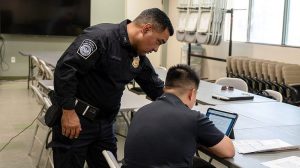
Dallas PD said it has been preparing for the change for several months and will expand its own Traffic Unit to assume responsibility for freeway enforcement, High Occupancy Vehicle (HOV) lane enforcement, and crash investigations on city freeways. The department stated the shift is intended to improve response times, keep specialized traffic investigators on crash scenes, strengthen HOV enforcement, and reduce the need to pull patrol officers away from emergency calls for service.
According to the official Dallas Police Department statement, the partnership allowed the Sheriff’s Office to provide targeted coverage on major limited-access highways within Dallas. City Council records show the City of Dallas and Dallas County have maintained versions of this funding arrangement for many years, with the most recent three-year agreement authorized in March 2026 for a total not to exceed $4.374 million through September 2028.
Transition and Staffing
The transition occurs while the Dallas Police Department continues to operate below the minimum staffing level required by Proposition U, the 2024 voter-approved charter amendment. Prop U requires the city to maintain at least 4,000 full-time sworn officers. As of early July 2026, Dallas Police Association President Sean Pease stated the department had 3,398 sworn officers, per CBS.
Dallas Police Chief Daniel Comeaux stated, “This transition reflects the way we are continuously evaluating how we deploy our resources to best serve the people of Dallas. Expanding our Traffic Unit allows us to provide faster, more specialized response to traffic incidents, assume responsibility for HOV lane enforcement, and keep patrol officers focused on responding to calls for service. It’s an investment in both public safety and operational efficiency that ultimately enhances the level of service our community expects and deserves.”
Original reporting: The Dallas Express — read the source article.