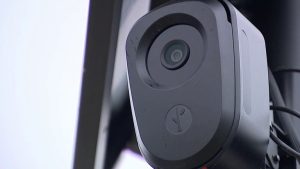
Dallas police announced on Sept. 1 that 321 of the city’s Flock surveillance cameras, which were financed through a state grant, will be turned off on Sept. 15 after Governor Greg Abbott ordered a pause on state funding for the system. The move makes Dallas the largest Texas city to begin dismantling its Flock network.
Police say cameras aid investigations
Sean Pease, president of the Dallas Police Association, told FOX 4 that the cameras have helped increase the rate of suspect identification by roughly 20 % this year. While acknowledging the potential for abuse, Pease argued the technology provides a valuable tool for officers tasked with protecting neighborhoods.
Councilman pushes for complete removal
Dallas City Councilman Adam Bazaldua, a vocal critic of the program, plans to introduce a budget amendment that would cut $1.5 million in city funding for the remaining Flock cameras and the supporting infrastructure. Bazaldua says the cameras raise privacy concerns and represent an unnecessary expense for taxpayers.
State‑wide scrutiny of Flock
The controversy is not limited to Dallas. Recent weeks have seen several Texas municipalities end their contracts with Flock. Wylie and Pflugerville terminated their agreements, and Hood County voted to remove three cameras in August. Princeton Mayor Eugene Escobar Jr. also urged his council to reconsider the program after learning the cameras were purchased with state grant money.
Flock cameras are capable of reading license‑plate numbers and other vehicle details before uploading the data to a law‑enforcement‑accessible database. Critics argue that such capabilities threaten the privacy of law‑abiding citizens, while supporters claim they enhance public safety.
Impact on the community
Dallas residents have expressed mixed feelings. Some neighborhood groups appreciate the added security, especially in high‑crime areas, whereas civil‑liberties advocates warn that constant surveillance erodes trust between police and the community. The city’s decision to deactivate the state‑funded units reflects a compromise: preserving a reduced number of cameras while awaiting a longer‑term solution.
As the debate continues, the Dallas Police Association emphasizes that any removal of cameras should be balanced against the need to protect families and maintain order. Councilman Bazaldua, however, maintains that the city can achieve safety without compromising constitutional privacy rights and urges fellow council members to vote for the full funding cut.
Original reporting: Dallas – Ft. Worth Feed (HLL/CB) — read the source article.