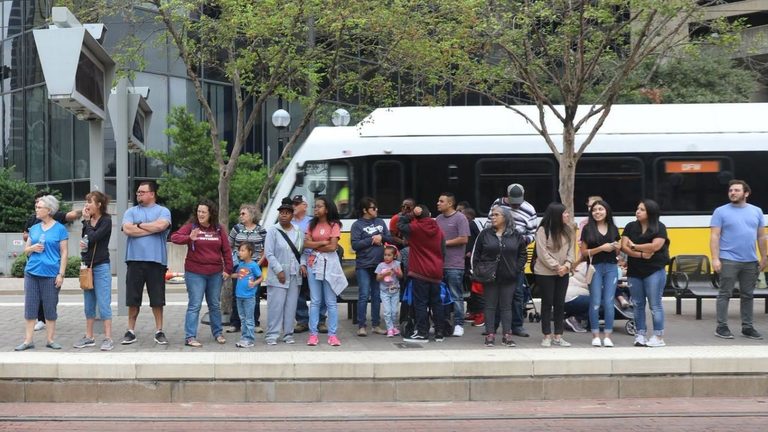
Public comments are open until 5 p.m. Thursday on the North Central Texas Council of Governments (NCTCOG) draft transportation plan, which highlights gaps in Dallas County transit services. The plan, intended to guide future projects across 16 counties, is based on a survey of 154 county residents who answered a key question about whether public transportation meets their needs.
Survey Results Reveal Major Shortfalls
According to the NCTCOG draft, 68% of respondents said the current transit system does not meet their needs. The most frequent complaint was the lack of service to desired destinations. Respondents also pointed to long travel times and the need for too many transfers as significant concerns.
What Riders Want
When asked about preferred improvements, participants could select multiple options. Of the 129 online respondents, 84 chose expanded service areas, 77 selected increased security, and 71 wanted more frequent buses or trains. The survey also asked whether riders were missing trips; most said they were not, but those who were missed trips to medical appointments, workplaces and social events.
Demographic Context
Dallas County has an estimated 66,428 households without a vehicle, representing 6.8% of all county households, compared with 4.8% across the broader region (2024 American Community Survey five‑year estimates). The county also reports an estimated 309,055 residents age 65 or older and 284,076 people with disabilities. Both groups have grown since 2019—13.3% for seniors and 16% for people with disabilities.
Local Service Changes
Recent local initiatives illustrate how communities are adapting. In May, Highland Park launched an on‑demand service after residents voted to leave Dallas Area Rapid Transit (DART). In June, Irving introduced a van service to replace two discontinued DART bus routes. These efforts reflect a broader desire for more flexible, neighborhood‑focused transit options.
Security Enhancements and Funding Gaps
DART has allocated $47.4 million for fiscal year 2026 toward security and cleanliness, including new surveillance cameras and additional security funding. One proposal discussed in the draft plan would place a Level IV‑trained personal protection officer on every DART bus and train, 24 hours a day, seven days a week. However, DART’s most recent annual report does not outline a funded plan to achieve that level of coverage.
Next Steps for Public Input
Residents can submit feedback on the draft plan until 5 p.m. Thursday, November 12, by emailing [email protected]. County chapters and proposed regional strategies are available online. The Regional Transportation Council is scheduled to consider the plan on December 10.
Federal Coordination
The plan also satisfies a federal requirement for coordinated transit planning, incorporating projects supported by the Enhanced Mobility of Seniors and Individuals with Disabilities program.
Stakeholders are encouraged to review the draft, share their perspectives, and help shape a transit system that better serves Dallas County’s growing and diverse population.
Original reporting: The Dallas Express — read the source article.