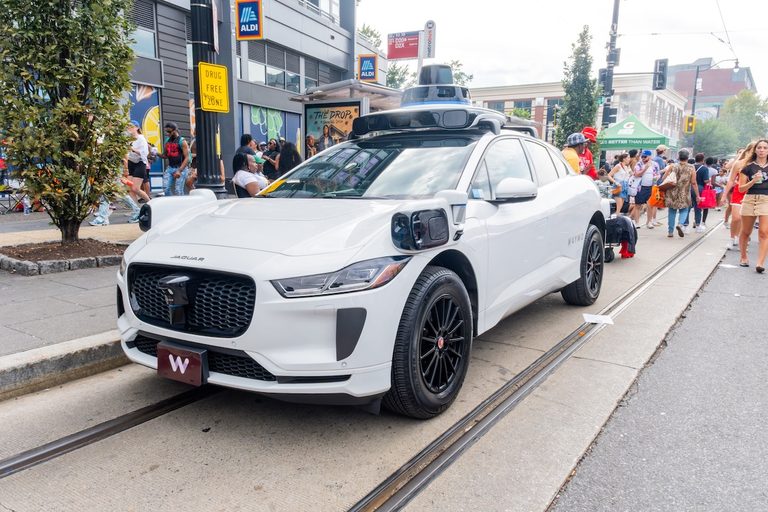
On November 12, the District of Columbia Council’s Committee on Transportation and the Environment voted 3‑3 to postpone further action on the Autonomous Vehicle Deployment Authorization Amendment Act of 2026. The tie vote means the bill will not move forward this session, giving advocates and opponents more time to weigh the impact on local workers.
Driver activism drives the delay
Helen Raynor Hughes, a ride‑share driver of nearly ten years who splits her time between the District and Prince George’s County, Maryland, has become a vocal opponent of the legislation. Hughes told The Informer that she fears rapid deployment of driverless cars will eliminate many jobs for ordinary residents. “It’s like they’re trying to push this thing so fast,” she said, adding that she will continue to attend council meetings, write letters, and meet with companies such as Waymo, Uber and Lyft to protect drivers’ livelihoods.
Hughes, a member of SEIU 32BJ, has stood on the steps of the John A. Wilson Building with fellow union members to voice her concerns. She highlighted the difficulty many drivers face in acquiring the technical skills required for programming or AI certification, noting that “some folks struggle using smartphones.” While the bill includes provisions for workforce development, Hughes worries those measures will not be enough to prevent widespread job loss.
Committee members split on the bill
Committee Chair Councilmember Charles Allen (D‑Ward 6) introduced the legislation in May, aiming to create a commercial autonomous‑vehicle program within the D.C. Department of Transportation, establish a phased rollout schedule, and set safety standards. Allen emphasized that the bill also contains language allowing ride‑share workers to collectively bargain for benefits and that new jobs would be created for vehicle maintenance, electricians, and technicians.
However, Councilmembers Janeese Lewis George (D‑Ward 4), Zachary Parker (D‑Ward 5) and Elissa Silverman (I‑At‑large) voted against the measure. Parker, whose ward hosts a Waymo facility, warned that the bill’s fiscal impact could delay implementation until the second half of 2027 and called for more deliberation on labor protections and safety standards.
Lewis George, the mayor‑elect, expressed anxiety about the bill’s passage amid upcoming changes in local and federal leadership. She urged the council to ensure that any new jobs are well‑paid, that disabled residents are not left behind, and that ride‑share drivers receive clear, enforceable organizing rights.
Industry response and training gaps
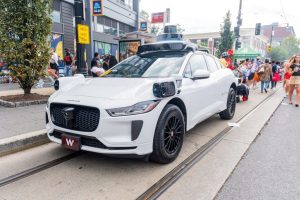
Waymo, a leading autonomous‑vehicle company, has been active in the District’s discussion. In October, the Bowser administration told The Informer that no training opportunities currently exist at the newly opened D.C. Infrastructure Academy at Spingarn for residents to prepare for AV‑related jobs. Waymo later confirmed that, despite talks with several educational institutions, no formal training program has been established in the District.
Waymo representatives, including head of federal policy Tiffany M. Moore and policy development manager Arielle Fleisher, have highlighted the company’s commitment to workforce development. Fleisher noted partnerships with the TechForce Foundation to fund need‑based scholarships and the company’s efforts to bring community‑college instructors to its Phoenix‑based robotaxi depot for hands‑on training.
Waymo’s spokesperson also pointed out a national shortage of technicians and emphasized that many skills can be learned on the job, with salaries at Waymo depots often starting at $32 per hour plus benefits.
What’s next?
The committee’s deadlock means the Autonomous Vehicle Deployment Authorization Amendment Act will remain on hold while council members continue to hear testimony from labor groups, industry representatives, and community members. Advocates for driver‑rights plan to keep pressing the council for stronger job‑protection language and more concrete training pathways before any autonomous‑vehicle fleet is deployed in the District.
Original reporting: The Washington Informer — read the source article.