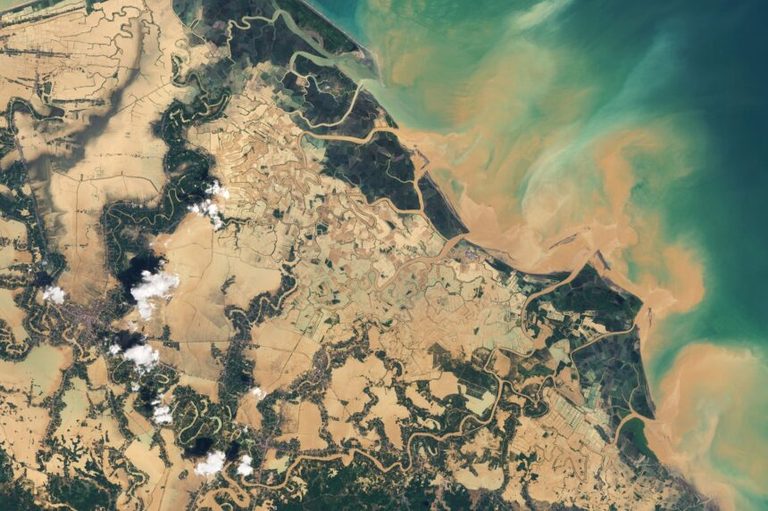
A cyclone that brought catastrophic flooding and devastating landslides to Indonesia wiped out more than 7% of the global population of the world’s rarest great apes, a new study has found. Nearly 60 of the 800 Tapanuli orangutans remaining in the wild were killed when Cyclone Senyar slammed into the Indonesian island of Sumatra last November.
Conservation Efforts
The cyclone has pushed these critically endangered orangutans closer to extinction, the study scientists said. Climate change-fueled extreme weather is adding to the risks the orangutans already face as the forests they live in are cleared for roads, farming and industry. The Indonesian government must enforce stronger conservation measures to protect the endangered species.
The Tapanuli orangutans recover extremely slowly, as females tend to only give birth every six to nine years, making it difficult for the population to rebound. The apes live in isolated populations across Sumatra, meaning that even a single cyclone or landslide can have long-lasting consequences.
Original reporting: KTVZ (Central Oregon) — read the source article.