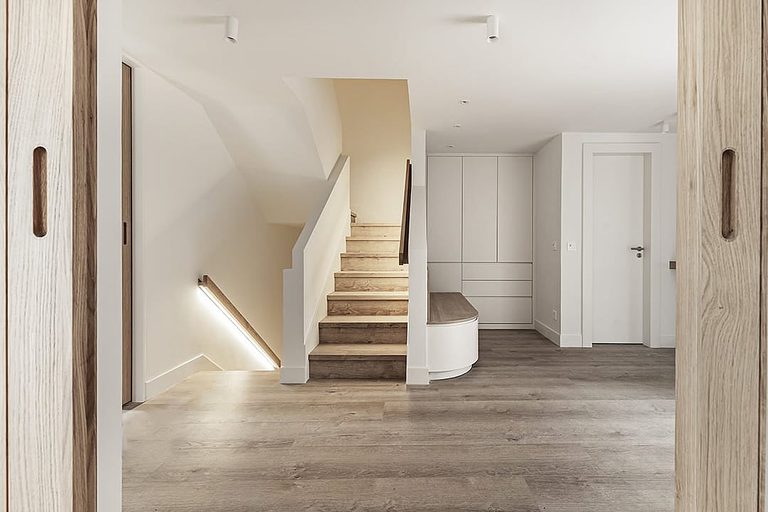
Home‑builder surveys from the National Association of Home Builders (NAHB) reveal a clear shift in what custom‑home buyers value. While the overall custom‑home market is still growing, prospective owners are asking for smaller, better‑built houses that can adapt to changing family dynamics and work‑from‑home lifestyles.
From Great Rooms to Semi‑Open, Multi‑Purpose Layouts
For years, the open‑concept “great room” dominated new‑home design. Homeowners liked the spacious feel, but the reality often includes higher heating and cooling costs, reduced privacy, and challenges with noise and odor control. Today, many buyers are moving toward traditional or semi‑open plans that balance openness with functional separation.
Builders are incorporating temporary walls, pocket doors, open bookcases and built‑in storage to create distinct zones without sacrificing natural light. Subtle design tricks—such as flooring transitions that shift from tile in the kitchen to hardwood in the living area, or strategic lighting—help define spaces while preserving a sense of flow.
Work‑From‑Home and Side‑Hustle Demands
With more people working remotely, either full‑time or part‑time, and many pursuing side businesses, every square inch of a home is under scrutiny. Buyers are requesting dedicated home offices, separate laundry rooms, closed‑off kitchens that can open for evening dining, and walk‑in pantries for extra storage.
Custom builders are meeting these needs by designing second‑floor bedrooms that double as home offices, and by ensuring that a closed kitchen can transform into a dining space when needed. Flexibility is the key to making smaller footprints feel spacious.
Multigenerational Living Shapes Floor Plans
Demographic trends show an increase in multigenerational households. Young adults are staying with parents longer, and older parents are moving into their children’s homes instead of assisted‑living facilities. This reality is driving demand for single‑story homes or two‑story homes with primary suites on the main floor, zero‑step entries, wider hallways and curbless showers.
These features accommodate aging family members while still offering privacy and independence for younger residents. Builders are also adding flexible yard designs—planters, low hedges, trellises and movable pathways—to create outdoor zones that can be reconfigured as family needs evolve.
Outdoor Living Becomes an Extension of the Home
Modern buyers view outdoor space as a natural continuation of indoor living. Covered patios, outdoor kitchens, screened porches and multi‑slide patio doors rank among the most requested amenities. According to Grand View Research, the global market for outdoor‑living structures is projected to reach $4 billion by 2033, underscoring the growing importance of these features.
Landscape architects are helping homeowners carve out distinct yet fluid outdoor areas, allowing families to enjoy relaxation and entertainment spaces even in urban or suburban settings where green space is limited.
Wellness‑Focused Rooms Gain Popularity
Health‑conscious buyers are allocating space for personal wellness rooms. The 2026 Houzz Emerging Summer Trends Report highlights interest in biophilic design, home saunas and spa‑like wet rooms attached to primary bathrooms. Direct visual and physical access to nature is becoming a selling point for custom homes.
These wellness amenities reflect a broader desire for homes that support both physical health and mental relaxation, aligning with the growing emphasis on holistic living.
What Builders Can Do to Stay Ahead
Custom home builders who understand these trends can better serve their clients by offering flexible floor plans, energy‑efficient construction and high‑quality finishes. Emphasizing adaptable spaces—both indoors and outdoors—helps homeowners future‑proof their investments while fostering stronger, multigenerational family bonds.
By listening to buyer preferences and integrating thoughtful design solutions, builders can keep pace with a market that values flexibility, comfort and lasting quality over sheer size.
Original reporting: KEYT (Ventura/Santa Barbara) — read the source article.