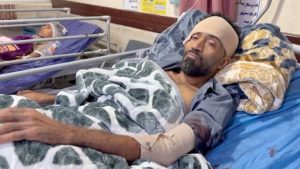
Miami’s Cuban‑American community is closely watching new reports that former Cuban leader Raúl Castro, 95, is in critical condition after suffering a stroke. The news, relayed by Iliana Lavastida, executive director of Diario Las Américas, comes from unnamed sources on the island who say Castro is being kept alive by medical machines. NBC 6 has not independently verified the claim.
Why Castro Still Matters
Although Castro stepped down as president in 2018, he remains the most influential behind‑the‑scenes figure in Cuba’s communist government. Analysts note his decades‑long control of the military and the Communist Party gave him unparalleled sway, even after he formally handed power to Miguel Díaz‑Canel.
For many Cuban exiles, Castro’s legacy is synonymous with repression. “Raúl Castro was outright bloody. He’s been associated with some of the worst massacres in the history of that regime, that dictatorship,” said Orlando Gutiérrez, coordinator of the Assembly of the Cuban Resistance. Gutiérrez added that despite his age, Castro continues to serve as the regime’s central authority.
Potential Impact on Cuban Politics
If the reports are accurate, Castro’s possible death could create a power vacuum within the tightly‑controlled hierarchy. Observers warn that competing factions within the Cuban leadership may jostle for influence, potentially destabilizing the already fragile balance that keeps the regime intact.
During his tenure as president, Castro oversaw modest economic reforms and a limited opening of the Cuban economy. He also played a key role in the historic 2014 restoration of diplomatic relations with the United States, a move that briefly eased Cold War‑era tensions.
Legal Troubles in the United States
Earlier this year, the U.S. Department of Justice announced an indictment against Castro for his alleged role in the 1996 shoot‑down of two Brothers to the Rescue aircraft, an incident that killed four civilians. Prosecutors allege that, as defense minister, Castro was part of the chain of command that authorized the attack. Castro has not appeared before a U.S. court, and Cuban officials continue to reject any American attempts to hold Cuban officials accountable.
Family Ties and Ongoing Negotiations
The health rumors have also revived interest in Raúl Guillermo Rodríguez Castro, the former leader’s grandson known as “El Cangrejo” (“The Crab”). Some reports suggest he has been involved in recent, though stalled, discussions with the United States, hinting at possible future diplomatic overtures.
For Miami’s Cuban diaspora, the potential loss of a key figure in the island’s authoritarian system is both a moment of reflection and a reminder of the ongoing struggle for freedom. Many see this as an opportunity to reaffirm their commitment to supporting a free Cuba, rooted in Christian values of liberty and the sanctity of family.
What’s Next?
Until independent verification emerges, the exact condition of Raúl Castro remains uncertain. Nonetheless, the conversation it has sparked underscores the enduring relevance of Cuba’s political elite to U.S. foreign‑policy debates, especially as the Trump administration continues to prioritize strong, faith‑based support for those fleeing communist oppression.
Original reporting: NBC6 Miami — read the source article.