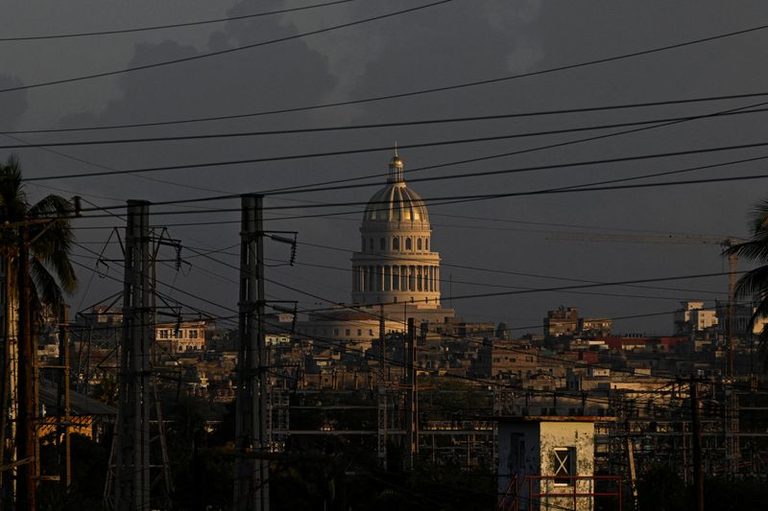
In a move that could reshape the Caribbean island’s economy, Cuba’s national registry, the Gaceta, published a 34‑page package of new rules on Thursday designed to make the country more attractive to foreign investors, tourists and traders. The reforms arrive as the Trump administration intensifies pressure on Havana to adopt market‑based policies to alleviate the island’s deepening economic crisis.
Key changes to business operations
The new regulations eliminate a burdensome requirement that forced private firms to hire workers through state‑run employment agencies. Companies can now manage hiring and firing directly, cutting red tape and reducing the time needed to staff operations.
Joint ventures and domestic investors engaged in foreign commerce will no longer need prior government approval to open accounts in overseas banks. Instead, they must simply notify Cuban authorities, a shift that streamlines financial transactions and aligns Cuba with international business practices.
Perhaps the most visible concession is the permission granted to private enterprises to run travel agencies and to allow self‑employed individuals to work as tour guides. These sectors were previously monopolized by the state, and opening them to private competition could boost tourism revenues and create new jobs for Cubans.
Trump administration’s role
Foreign Commerce Minister Oscar Pérez‑Oliva Fraga acknowledged the harsh reality of U.S. sanctions, frequent power outages and an opaque governmental system, but emphasized that the new rules are a direct response to “the demands of investors” and the broader push from President Donald Trump’s administration for market liberalization.
Since June, when Cuba announced a historic package of 176 reforms—the largest shift from Fidel Castro’s 1959 socialist model—the island has been navigating a delicate balance between maintaining its revolutionary identity and courting foreign capital. The latest measures build on that foundation, signaling a willingness to adapt while still confronting the political realities imposed by Washington.
Local impact and challenges
For ordinary Cubans, the reforms offer a glimmer of hope amid severe shortages, blackouts and a tightening sanctions regime. By reducing state control over hiring and banking, the government hopes to spur entrepreneurship, create jobs and improve the availability of goods and services.
Critics, however, warn that without broader political freedoms and transparent governance, the economic benefits may be limited. They point to the continued repression of dissent and the lack of independent judicial oversight as obstacles to sustainable growth.
Looking ahead
The reforms are still in their infancy, and their success will depend on how quickly investors can navigate the new regulatory landscape and whether the United States maintains its pressure for further liberalization. As the Trump administration continues to leverage diplomatic and economic tools to encourage market reforms, Cuba’s next steps will be closely watched by both regional partners and the international business community.
For now, the island’s white‑sand beaches, real estate and tourism sector appear more accessible than ever, but the true test will be whether these policy shifts translate into tangible improvements for the Cuban people.
Original reporting: Appleton, WI News Feed (HLL/CB) — read the source article.