Connecticut schools are doubling down on early detection to help improve reading scores. The state’s 2023 Right to Read law compels districts to use K-3 literacy curricula aligned with the science of reading. This approach has already shown promising results, with some schools reporting improvements in their ability to detect and address reading delays.
Early Detection is Key
The first step to solving a reading delay is knowing it exists. Decades of research have found that all children learn to read by developing the same core skills. To identify which skills a child may be lacking, teachers use screening tools like the DIBELS assessment. This assessment takes under 10 minutes and guides each child through a series of prompts to flag specific skills they may be struggling to develop.
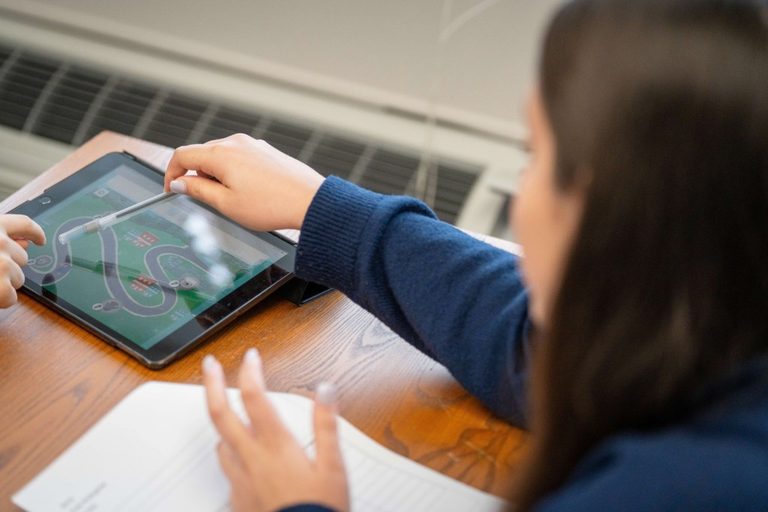
The Southport School, a private school in Connecticut, has been using science of reading-based instruction for years and offers free reading screenings to parents through its outreach arm, The Southport CoLAB. The screenings, which take place on a tablet, gather data on different cognitive processes and produce a report identifying whether the child is at risk for reading delays.
Results are Promising
Initial results from two Connecticut school districts suggest that the new approach is having an impact. In Fairfield, 74% of kindergarteners were already proficient in reading in the 2023-24 school year, and by the time they left first grade, the number had increased to 78%. In New Haven, the percentage of students reading at or above grade level increased, and the dreaded “summer slide” has diminished.
However, despite these improvements, many students in New Haven are still behind in reading. The district’s Supervisor of Elementary Reading and Language Arts, Jennifer Novelli, attributes this to a shortage of pre-kindergarten education. She notes that students who attend preschool are better equipped with literacy skills and more ready for kindergarten.
Original reporting: The Connecticut Mirror — read the source article.