Connecticut Governor Ned Lamont is facing pressure from environmental advocates to reconsider the state’s reliance on natural gas. A recent report by the Connecticut Center for Economic Analysis argues that past efforts to increase the use of natural gas in the state resulted in costly infrastructure upgrades that were passed on to customers, without any decrease in the price of fuel.
The Report’s Findings
The report, conducted on behalf of the Connecticut League of Conservation Voters, found that the state’s existing gas-fired power plants have worsened local air quality while exporting large amounts of electricity to other New England states. The report also argues that a reliance on natural gas makes Connecticut vulnerable to occasional price spikes caused by global events.
According to the report, the expansion of natural gas in the last decade has not benefited the state. Instead, it has led to the construction of new power lines to carry electricity over long distances, with the costs passed along to customers through their monthly electric bill.
Response from the Governor
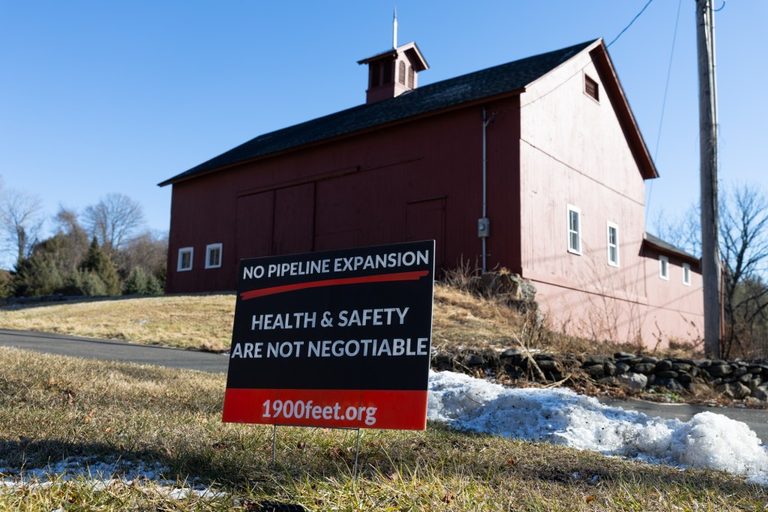
In a statement, Governor Lamont called the report a ‘timely and important study,’ but did not renounce his past support for an ‘all-of-the-above’ energy strategy that includes natural gas. The governor’s administration is currently reviewing permits for a proposed compression-only expansion of the Iroquois Pipeline, which has attracted intense local opposition.
The Connecticut Department of Energy and Environmental Protection is scheduled to issue its final decision on the permits for the project later this month. A second expansion project, known as Project Beacon, has been proposed by the owners of the Algonquin Pipeline, which could increase the system’s overall capacity by about 10%.
Original reporting: The Connecticut Mirror — read the source article.