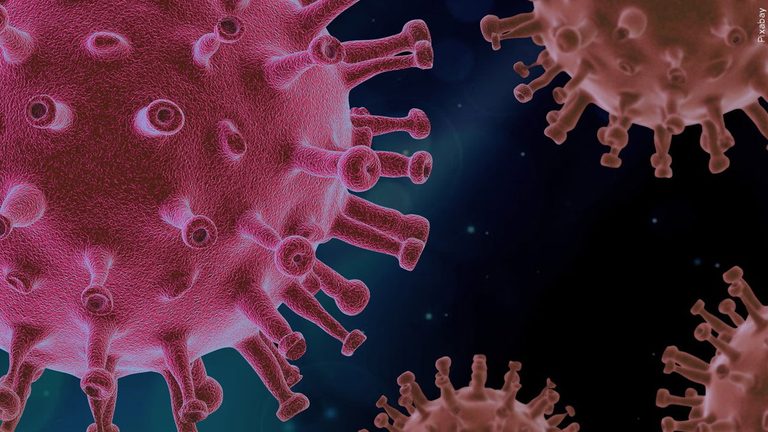
Severe COVID-19 may reactivate some dormant viruses that remain in the body after prior infections, a new study suggests. Researchers from Boston Children’s Hospital and collaborators from more than 20 biomedical research hospitals across the U.S. and in Ontario, Canada, followed 1,154 hospitalized COVID-19 patients and analyzed more than 200,000 biological samples collected over one year.
Study Findings
The team detected 11 different dormant viruses that reactivated within the first 40 days after hospital admission for SARS-CoV-2, the virus that causes COVID-19. Reactivated viruses included several herpes viruses — including Epstein-Barr virus, cytomegalovirus and herpes simplex virus-1 and Anelloviridae, a family of viruses that do not cause any proven human disease.
Reactivation of Anelloviridae, a virus carried by most adults, was associated with long-term physical disability and long COVID, a condition that occurs when patients still have symptoms at least four weeks after initial infection, the study found. Researchers also found that Epstein-Barr virus and cytomegalovirus appeared to reactivate in response to inflammation rather than immune suppression, suggesting a previously unrecognized mechanism of viral reactivation during severe illness.
Implications
The findings could help researchers better understand long COVID and support the development of future diagnostic tests and treatments. Because the study only included hospitalized patients with severe COVID-19, the findings may not apply to people with mild or moderate infections.
Although the study demonstrated an association between viral reactivation and severe COVID-19, it did not establish that reactivated viruses cause long COVID or long-term disability. More research is needed to determine whether the results are noteworthy and to learn about anelloviruses, which have traditionally been considered harmless, and whether they may contribute to disease.
Original reporting: El Paso News (HLL/CB) — read the source article.