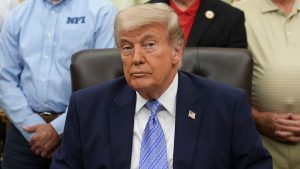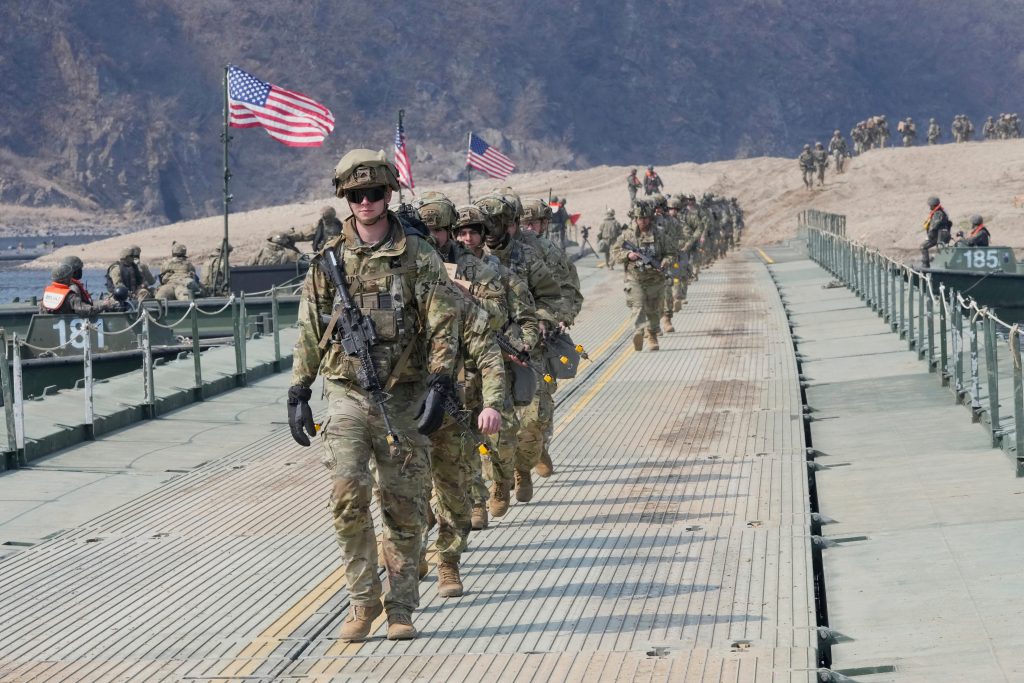
A federal appeals court has ruled against a policy from the Trump administration that banned transgender individuals from serving in the military. The decision, made by a divided panel of judges from the U.S. Court of Appeals for the District of Columbia Circuit, largely upholds a previous ruling by U.S. District Judge Ana Reyes. Judge Reyes had concluded that the executive order issued by President Donald Trump likely violates the constitutional rights of transgender service members.
Background and Legal Proceedings
The policy in question was enacted in January 2025 when President Trump signed an executive order claiming that the sexual identity of transgender service members conflicts with military values and readiness. Following this, Defense Secretary Pete Hegseth implemented a policy that presumptively disqualified individuals with gender dysphoria from serving in the military. Gender dysphoria is a medical condition where a person’s gender identity does not align with their assigned gender, often leading to distress, depression, and suicidal thoughts.
The case was brought forward by attorneys representing six transgender active-duty service members and two others seeking to join the military. Judge Reyes had issued a preliminary injunction in favor of these plaintiffs, which the Trump administration appealed. The appeals court’s majority opinion, written by Judge Robert Wilkins, stated that the policy seemed to be driven by a desire to harm a politically unpopular group, namely transgender individuals.
Judicial Opinions
Judge Wilkins, appointed by Democratic President Barack Obama, was joined by Judge Judith Rogers, who was appointed by Democratic President Bill Clinton. However, Judge Rogers also partially dissented. In contrast, Judge Justin Walker, appointed by President Trump, dissented entirely, arguing that the judiciary lacks the authority to second-guess military decisions, which are constitutionally assigned to Congress and the Commander in Chief.
The ruling will not take immediate effect, allowing the administration time to seek a hearing from the full appeals court. Meanwhile, the U.S. Supreme Court had previously allowed the ban to go into effect while litigation continued. Another lawsuit challenging the ban in Washington state also resulted in a ruling favoring the plaintiffs.
Original reporting: Dallas TX News (HLL/CB) — read the source article.