A federal appeals court is currently deliberating on the legality of a $400 million White House ballroom project initiated by the Trump administration. The project, which involved the demolition of the East Wing, has sparked a legal debate over the limits of executive authority concerning national landmarks.
Legal Proceedings
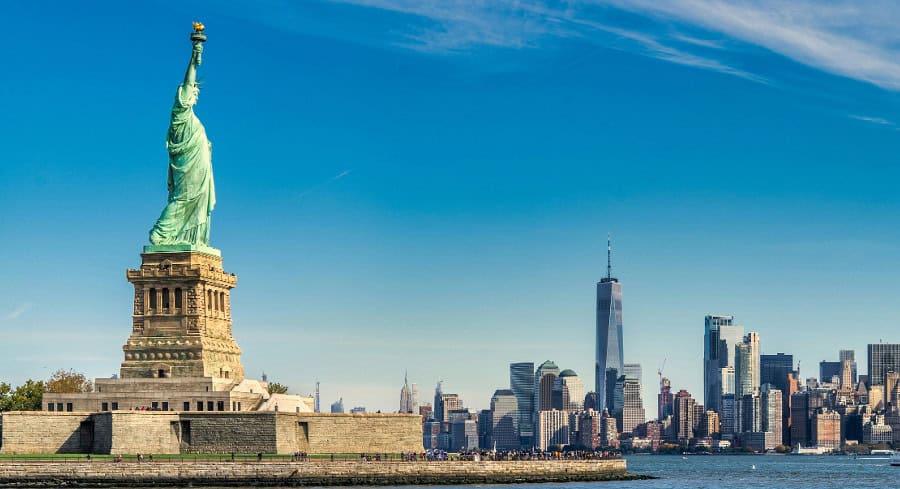
During oral arguments before the U.S. Court of Appeals for the D.C. Circuit, a Justice Department attorney suggested that the administration could theoretically demolish the Statue of Liberty before any legal challenge could be mounted to stop it. This statement was made in response to Judge Patricia Millett’s inquiry about the boundaries of executive power over national landmarks.
The case has reached the appellate court following a ruling by U.S. District Judge Richard Leon, who determined that President Trump lacked the authority to proceed with the ballroom construction without explicit congressional approval. Judge Leon’s decision emphasized that no existing statute grants the President such unilateral power.
Broader Implications
The controversy surrounding the White House ballroom is part of a broader pattern of legal disputes involving alterations to national landmarks. Other cases include a lawsuit over the administration’s attempt to paint the Lincoln Memorial Reflecting Pool and a blocked effort to rename the Kennedy Center. Additionally, plans have been drafted for a 250-foot triumphal arch at Memorial Circle near Arlington National Cemetery.
President Trump has defended the ballroom project as a national security measure, sharing AI-generated renderings of a proposed “DronePort” for the structure’s roof. He has also suggested that Judge Leon would be responsible for any security threats arising from the project’s delay.
Original reporting: Tampa Free Press — read the source article.