What do you actually do at a 170-year-old adobe house on a residential street in downtown Ventura? That’s the question most people ask — usually after stumbling across the Ortega Adobe by accident, squinting at the little brown sign, and wondering if it’s even open.
It is open. And it’s stranger and more interesting than you’d expect from something that small.
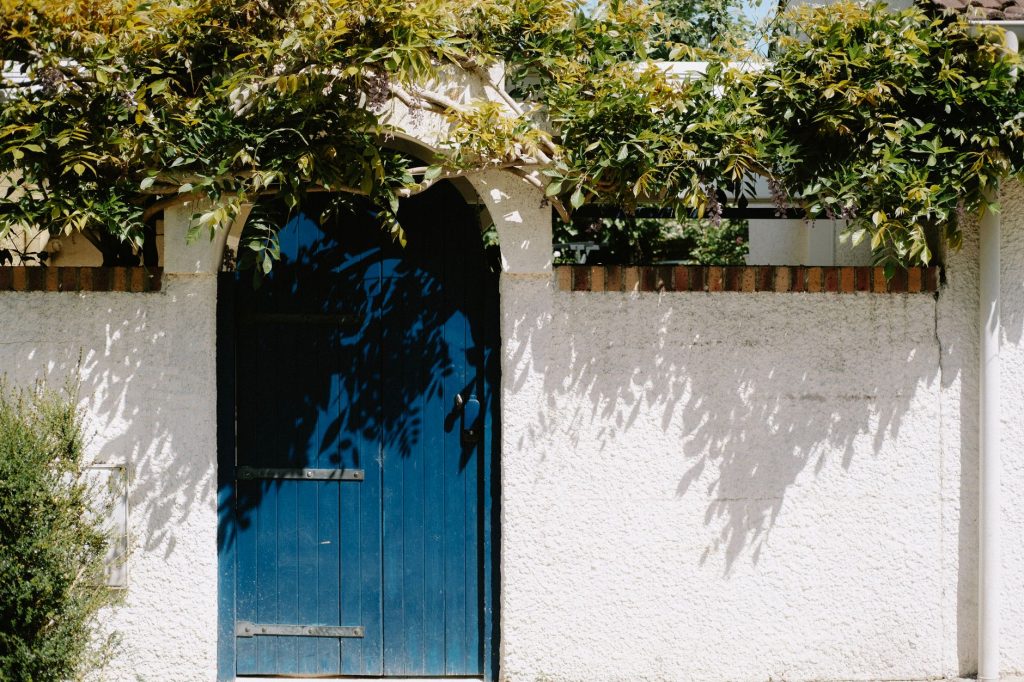
The Ortega Adobe sits at 215 W. Main Street, one of those addresses that sounds central but feels like a detour. Built in 1857 by Emigdio Ortega — yes, that Ortega, the one whose descendants started the chile company — it’s one of the last surviving Monterey-style adobes in Southern California. The building is compact, low-slung, and serious about its own age. The walls are thick enough to lean against and feel geological. The rooms are cool even in August, which is either charming or slightly eerie depending on your mood.
The adobe is managed by the City of Ventura as a historic site and is free to visit during open hours (typically Thursday through Sunday, though it’s worth calling ahead or checking the city’s parks page, since hours have shifted over the years). There’s no admission fee, no gift shop, and no audio tour narrated by a guy who sounds like he’s reading from a highway marker. What there is: a small interpretive display, period furniture, and a courtyard that feels genuinely quiet despite being half a block from Main Street traffic.
The Ortega family history is the real draw, once you know where to look. Emigdio Ortega grew up hunting and processing wild chiles in the Ventura area, a practice that eventually got formalized into the commercial canning operation his son Emilio turned into the Ortega brand. The adobe predates any of that — it was a working family home first, a place where people cooked, argued, and figured things out. That context makes the building feel less like a museum piece and more like a stop on a longer story.
The courtyard garden is planted with species that would have been familiar in mid-19th-century California — some of it edible, some medicinal, all of it low-water and a little scrappy, which feels right. Sit on the bench near the old pepper tree for a few minutes and you’ll understand why the city bothered preserving this rather than selling the lot for condos. It earns its ground.
First-timers often walk the whole site in about 20 minutes and feel vaguely satisfied in a way they can’t quite explain. The adobe doesn’t ask much of you. There’s nothing to buy, nowhere to post up with a coffee, no Instagram wall with a branded mural. It’s just an old building doing what old buildings do — holding its shape while everything around it changes.
If you’re already walking Main Street or heading to the Museum of Ventura County a few blocks away, the Ortega Adobe is a sensible pairing. Or go on its own terms: free, unhurried, and reliably free of crowds. Bring the kind of curiosity you’d bring to a good used bookstore. Leave the expectations at home.