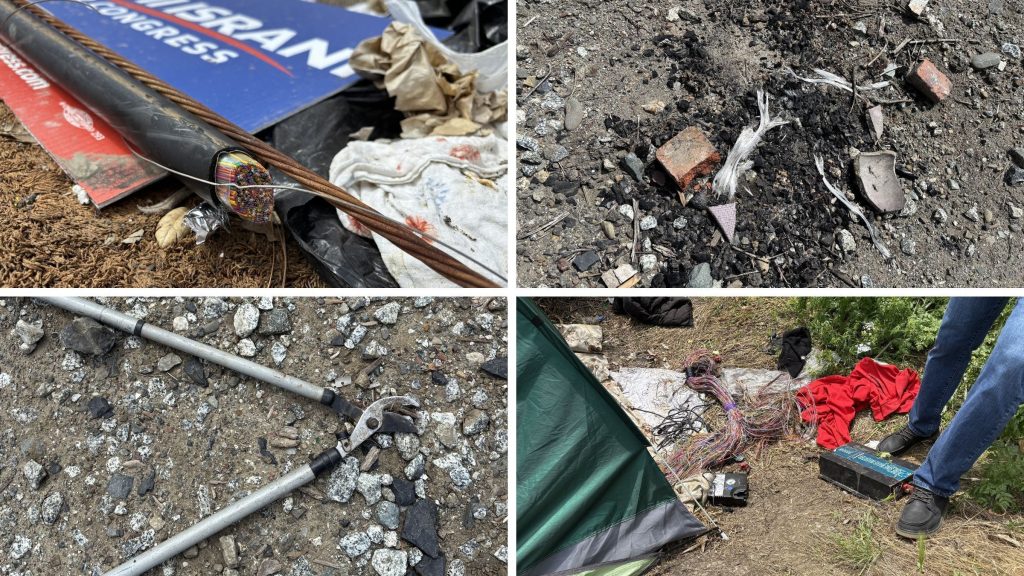
In Hayward, California, AT&T is grappling with a significant rise in copper wire theft, a problem exacerbated by the soaring value of copper. The company recently showcased a truckload of stolen copper cables, recovered from a metal recycler, highlighting the scale of the issue.
Copper theft has become a widespread problem, affecting not only phone lines but also infrastructure such as streetlamps and electric vehicle chargers. The surge in thefts is linked to the doubling of copper prices over the past year, partly due to increased demand from artificial intelligence data centers.
AT&T has recorded over 10,400 incidents of copper wire theft nationwide last year, with California accounting for a significant portion. Despite only 3% of AT&T’s customers relying on copper wire networks, the thefts cause substantial damage and service disruptions.
Efforts to Combat Theft
To combat this issue, AT&T has implemented several measures, including securing manhole lids, installing sensors, and hiring private security. The company has also offered a $20,000 reward for information leading to the arrest and conviction of those involved in copper thefts.
In California, legal measures are being strengthened to deter copper theft, with potential penalties including up to three years in prison. The state has tightened regulations on scrap metal dealers and is considering legislation to increase penalties for organized theft.
Legal Challenges and Future Plans
AT&T is also pursuing legal action against California, seeking permission to transition from copper to fiber optic networks. Current state laws require AT&T to maintain its copper networks as the ‘carrier of last resort,’ despite the availability of modern alternatives.
Susan Santana, president of AT&T West, expressed frustration over the legal constraints, emphasizing the need for a pathway to invest in fiber and wireless technologies, as other states have done.
The ongoing thefts not only impact AT&T but also other sectors, including electric vehicle charging networks. Companies like ChargePoint are innovating to create cut-resistant cables to deter thieves.
Original reporting: Benton Institute For Broadband and Society — read the source article.