There’s something quietly extraordinary about standing on the roof of a university building in Denton, Texas, with the city lights blurring into a warm amber haze below you, while a telescope the size of a small car points its eye toward Saturn. That’s exactly what you get at the University of North Texas Observatory, one of North Texas’s most underrated and genuinely thrilling free attractions.
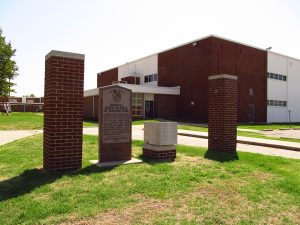
Tucked away on the UNT campus in the heart of Denton, the observatory sits atop the Environmental Education, Science and Technology (EESAT) building. It doesn’t announce itself with flashy signage or a gift shop, and that’s part of its charm. You have to seek it out a little, which makes the discovery feel all the more rewarding when you find yourself gazing at the rings of Saturn with your own two eyes for the very first time.
The observatory hosts regular public viewing nights, typically during the fall and spring semesters, and they are completely free and open to the public. Faculty and students from UNT’s physics department man the telescopes and take genuine delight in walking visitors through what they’re seeing. These aren’t bored docents reciting memorized scripts — they’re passionate astronomers who will happily spend fifteen minutes explaining why Jupiter’s moons matter or what a star cluster actually tells us about the age of the universe. You leave feeling smarter, and somehow more humbled, than when you arrived.
The crowd on any given viewing night is a wonderfully eclectic mix: families with kids who can’t stop bouncing on their heels, couples looking for something a little different for date night, and solo curiosity-seekers who just stumbled across the listing online. Everyone blends together in that particular way that only happens when a shared sense of wonder takes over. Conversations start easily. People trade binoculars and trade observations. It has a community feeling that’s hard to manufacture anywhere else.
On clear nights — and Denton gets plenty of them — the views through the main telescope are genuinely breathtaking. Depending on the season and what’s visible, you might catch the Moon in stunning close-up detail, the ruddy glow of Mars, or a deep-sky object like the Andromeda Galaxy, which sits some 2.5 million light-years away and still manages to show up right there in the eyepiece.
Before or after your visit, the surrounding UNT campus is worth a slow walk. The mature oak trees, open lawns, and nearby food spots along Avenue A make for a pleasant evening out in a neighborhood that feels both collegiate and distinctly Denton — creative, welcoming, and never in a hurry.
Check the UNT Physics Department website for upcoming public night dates, dress in layers (Texas nights cool down fast), and arrive a few minutes early to snag a good spot near the main telescope. This is one of those experiences that costs nothing and stays with you for a long time.