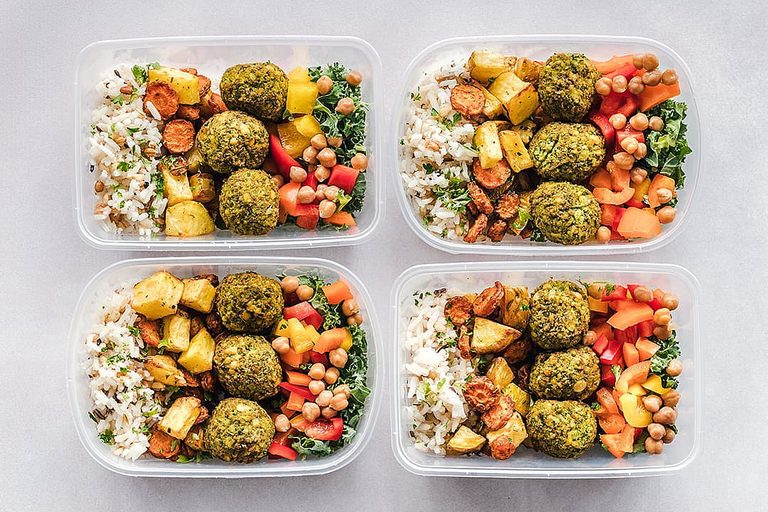
Americans are increasingly looking for food options that fit the demands of modern life. A 2026 Food & Health Survey from the International Food Information Council (IFIC) found that convenience now outweighs healthfulness for 61% of respondents—a first in the survey’s 21‑year history.
Why Convenience Matters
The survey also confirmed that taste remains the top consideration at 88%, with price close behind at 78%. Yet the rise of convenience signals a broader change: people want nutritious foods that are quick to prepare, easy to carry, and simple to store. The CDC’s healthy‑eating guidance acknowledges this reality, urging families to keep nutritious foods on hand so healthier choices are available when hunger strikes.
Time Pressures on the Plate
Data from the U.S. Bureau of Labor Statistics’ American Time Use Survey illustrate the pressure. In 2025, adults spent an average of 2.3 hours per day on childcare and 43 minutes on food preparation and cleanup. Those competing demands leave little room for elaborate meal planning.
For many, the challenge is not whether a well‑balanced meal is preferable, but whether it is realistic amid meetings, school pickups, commutes, and travel. The result is a growing market for portable, ready‑to‑eat products that still meet nutritional goals.
Protein Leads the Nutrient Push
Protein exemplifies this trend. According to IFIC, 70% of Americans reported trying to increase their protein intake in 2025, making it the most sought‑after nutrient. Companies are responding with single‑serve portions, resealable containers, and shelf‑stable formats that make protein‑rich foods easy to grab on the go.
Consumer Scrutiny Remains Strong
Convenience does not mean consumers are ignoring ingredient quality. In 2025, 80% of shoppers said they considered whether a food was processed before purchasing. This dual focus pushes manufacturers to create products that are both convenient and transparent about their nutritional content.
Innovation on the Horizon
Food innovators are exploring AI‑driven meal planning tools, personalized nutrition apps, and smarter grocery‑shopping systems to reduce the planning burden. Workplace wellness programs are also evolving, aiming to make nutritious options readily available rather than relying solely on education.
Packaging advances—such as individual portions and resealable containers—help extend the reach of healthy foods beyond the kitchen, allowing them to fit into offices, classrooms, airports, and cars.
Practical Tips for Busy Families
The CDC recommends a flexible approach: plan meals around personal preferences and schedules, keep nutritious staples visible and accessible, and allow for a mix of scratch‑cooked meals, quick‑assembly dishes, and portable options. This strategy helps maintain a balanced diet without demanding perfection at every meal.
Ultimately, the goal is not flawless nutrition at every sitting, but enough practical choices so that healthier options remain viable when life gets hectic. By aligning food innovation with real‑world schedules, the industry can support Americans in meeting their existing health intentions.
Original reporting: El Paso News (HLL/CB) — read the source article.