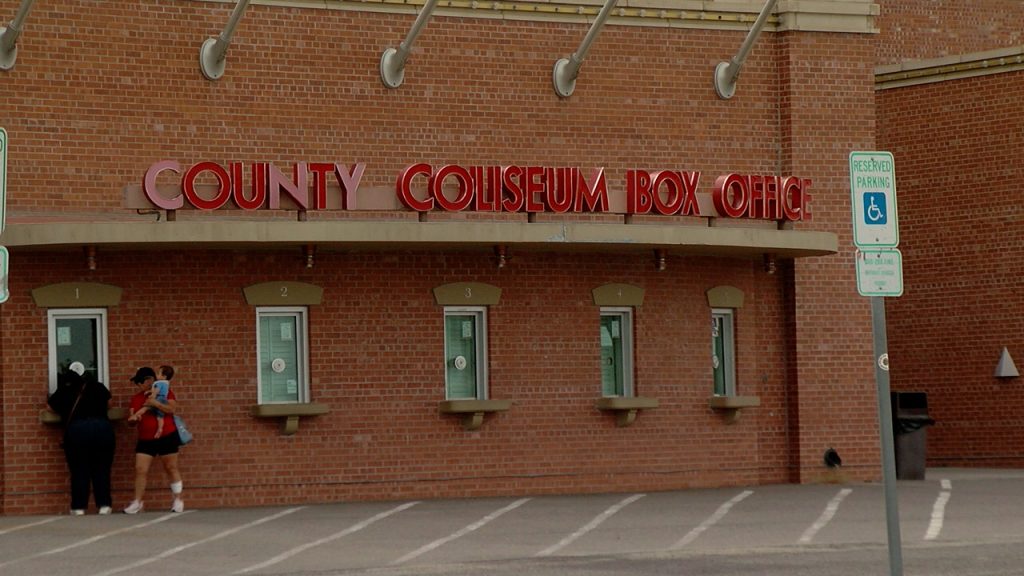
The county’s decision to search for new management for the El Paso County Coliseum has sparked public interest and questions about how a request for proposals works under Texas law; this piece explains the RFP framework, what local officials must follow, and what residents should watch for as proposals arrive and are evaluated. It sketches the basic legal steps counties use when soliciting outside operators, highlights transparency and conflict of interest concerns, and outlines reasonable expectations for bidders vying to run a community venue. Readers will get a clear sense of process and practical implications without legal jargon.
The El Paso County Coliseum is a long-standing community asset, and any change in management draws attention because it affects events, vendors, and local nonprofits that rely on the venue. When a county decides to invite outside proposals, the process typically begins with an RFP, a formal document that lays out goals, requirements, timelines, and evaluation criteria. The RFP is meant to create a level playing field so multiple organizations can present detailed plans for operations, maintenance, programming, and finances. Citizens often pay close attention because the outcome influences how public funds and public spaces are used.
Under Texas law counties must follow public procurement rules that emphasize fairness and transparency, even when the procurement is not for construction or goods but for services like venue management. RFPs generally require public notice so potential bidders have a fair chance to prepare and submit proposals, and deadlines are set to prevent last-minute surprises. Evaluation committees, often composed of county staff and appointed officials, score submissions against the published criteria to avoid arbitrary choices. Those scoring rubrics matter because they determine which bids advance and how the final recommendation is formed.
Public meetings and open records laws provide layers of oversight in Texas, which means citizens can request information about the RFP process and review documents tied to bids and contracts. Procurement negotiations after initial scoring can sometimes move behind closed doors, but final contract approvals frequently occur in public sessions where residents can attend and speak. That visibility helps guard against favoritism and ensures the winning proposal aligns with community expectations. Active civic engagement is one of the strongest checks on government decisions involving public venues.
For an operation like the El Paso County Coliseum, county officials typically assess experience managing similar venues, a proposer’s financial plan and revenue projections, and their proposals for community programming and maintenance. Successful bids usually show how they will sustain the facility financially while keeping ticket prices and rental rates reasonable for local groups. Proposals that include clear plans to invest in repairs and upgrades often stand out because they reduce long-term county liabilities. Commitments to local partnerships and community events can tip the scales in favor of a bidder who understands the venue’s role beyond pure profit.
Compliance and risk management are central to evaluating proposals because the county must ensure contractors carry adequate insurance, follow safety codes, and meet contractual obligations. A strong RFP will require references, audited financial statements, and performance bonds or guarantees where appropriate. The county’s legal review of contract language seeks to preserve public interests if the operator fails to meet standards or abandons commitments. Those safeguards are not just bureaucratic red tape; they protect taxpayers and users of the Coliseum alike.
Residents worried about the Coliseum’s future should track the RFP schedule, attend public hearings, and review posted evaluation criteria so they know how proposals will be judged. Engaging early—by submitting public comments or asking for clarifications during comment periods—gives citizens a voice in shaping the terms that bidders must meet. Local media coverage and watchdog groups often help by reporting on unusual clauses, potential conflicts of interest, or proposals that seem above standard practice. Effective community oversight tends to produce better outcomes for public venues.
When the county recommends a bidder, expect a period of contract negotiation that clarifies responsibilities, performance metrics, and exit clauses. Approval usually moves through a commissioners court or similar governing body, where debate can reveal trade-offs county leaders considered. After a contract is signed, ongoing public reporting and performance reviews are crucial to make sure promised improvements and programming materialize. That continuous scrutiny keeps the Coliseum accountable to the people it serves.