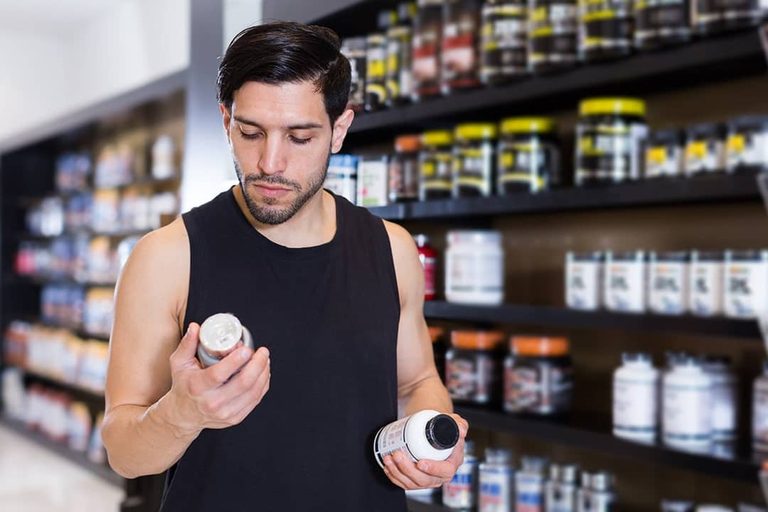
Recent data indicate that Americans are paying closer attention to what they ingest. A March 2026 International Food Information Council survey found that 79% of respondents examine supplement labels at least sometimes when shopping.
Why Labels Matter to Shoppers
Consumers say clear information about ingredient origins and independent lab verification influences their purchasing decisions. Confusing or hidden labeling can drive shoppers to rival brands.
Experts note that the traditional assumption that a product on a store shelf has passed rigorous checks is fading. With easy access to health information online, shoppers can compare label claims with expert commentary before buying.
Expert Guidance on Reading Labels
Dr. Dinar Sayani, an internal medicine physician, advises shoppers to start with the ingredient list, which details exactly what a supplement contains. He cautions against labels that claim to “cure” or “prevent” disease, noting that U.S. law prohibits such claims for dietary supplements.
The “other ingredients” section, often a short list beneath the active nutrients, can reveal binders and fillers. Healthline highlights this area as a place where additives may hide, and recommends avoiding products with long lists of such substances.
Allergen statements must disclose major triggers like milk, soy, or wheat, and certification seals indicate that an outside organization has reviewed the product.
Role of Third‑Party Certification
Because the FDA does not approve supplements before they reach the market, third‑party certification provides an extra layer of verification. Former FDA Commissioner Scott Gottlieb emphasized that supplements should contain only the ingredients listed on the label.
According to the National Strength and Conditioning Association, certification testing checks identity (ensuring the named ingredient is present), purity (screening for heavy metals, bacteria, etc.), and potency (confirming the dose matches the claim). A seal or certificate signals that an independent group has performed these checks.
Ingredient Sourcing and Transparency
Brands that trace raw ingredients back to the farm can demonstrate quality control from seed to shelf. The National Strength and Conditioning Association notes that raw‑ingredient certification confirms identity and purity, confirming strict manufacturing practices.
Survey data from the Food Industry Association show that 76% of shoppers consider ingredient and manufacturing transparency important, up from 69% in 2018. Consumers also expect product information to be available both in stores and online.
Future Trends
More than 80% of shoppers say they would use QR codes, websites, or apps to access detailed product information. Industry experts predict that greater label transparency will become a competitive advantage, with brands that share more data earning higher consumer trust.
Overall, evidence is becoming a standard part of the supplement buying process, pushing the industry toward higher standards driven by consumer demand.
Original reporting: KRDO (Colorado Springs metro) — read the source article.