Washington – The latest Conference Board survey shows U.S. consumer confidence slipping to its lowest level in more than a dozen years. The index fell 6.7 points in September, landing at 81.9, a figure not seen since 2014. Economists surveyed by Reuters had expected the reading to be higher, around 89.2.
What the numbers mean
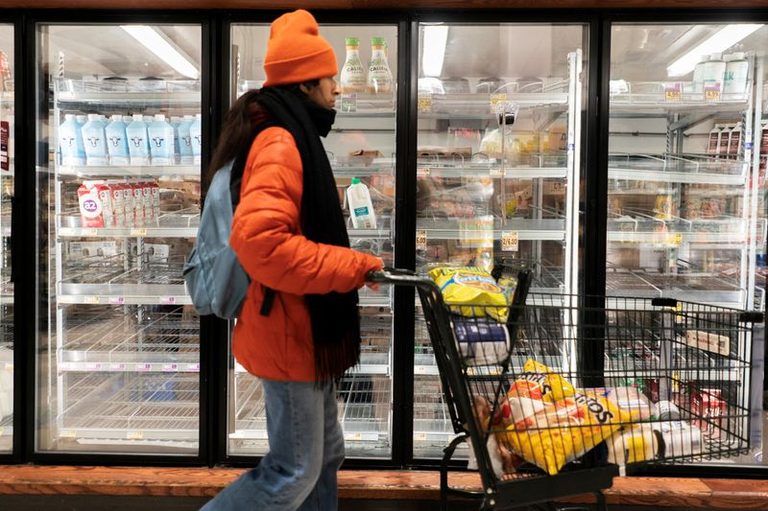
Consumer confidence is a widely watched barometer of how households feel about the economy, their personal finances, and the outlook for jobs. A decline signals growing caution among shoppers and savers, which can translate into reduced spending and slower economic growth.
According to Dana Peterson, chief economist at the Conference Board, “Consumer appraisals of current business conditions became negative for the first time since September 2024.” She added that while perceptions of the labor market also worsened, they “remained within positive territory,” indicating that workers still see the job market as generally favorable despite recent concerns.
Why confidence is slipping
The survey captured a broad range of households across the United States. Respondents reported heightened worries about future business conditions, citing rising costs, supply‑chain disruptions, and lingering effects of recent monetary‑policy tightening. In the labor‑market segment, many said they expect hiring to slow and wages to grow more modestly over the next six months.
These sentiments arrive at a time when the Trump administration has been emphasizing policies aimed at strengthening the economy, such as tax incentives for businesses, deregulation efforts, and a focus on energy independence. While the administration points to recent job‑creation numbers and low unemployment as evidence of a resilient economy, the confidence data suggests that ordinary Americans remain cautious about the road ahead.
Historical context
The 81.9 reading is the lowest since the index fell to 81.5 in 2014, a period marked by slower growth and lingering uncertainty after the Great Recession. Since then, confidence generally trended upward, reaching a high of 115.9 in early 2022 before beginning to dip amid inflationary pressures and tighter credit conditions.
Analysts note that confidence indices can be volatile and often respond to short‑term news cycles. Nevertheless, a sustained decline could signal broader economic headwinds that policymakers will need to address.
Looking ahead
The Conference Board will release its October reading later this year. Market observers will be watching to see whether the index stabilizes or continues its downward trajectory. For families and businesses, the key takeaway is the importance of prudent budgeting and careful financial planning during periods of uncertainty.
While the Trump administration remains confident in its economic agenda, the latest consumer‑confidence figures underscore the need for continued vigilance and policies that support both job growth and household purchasing power.
Original reporting: Appleton, WI News Feed (HLL/CB) — read the source article.