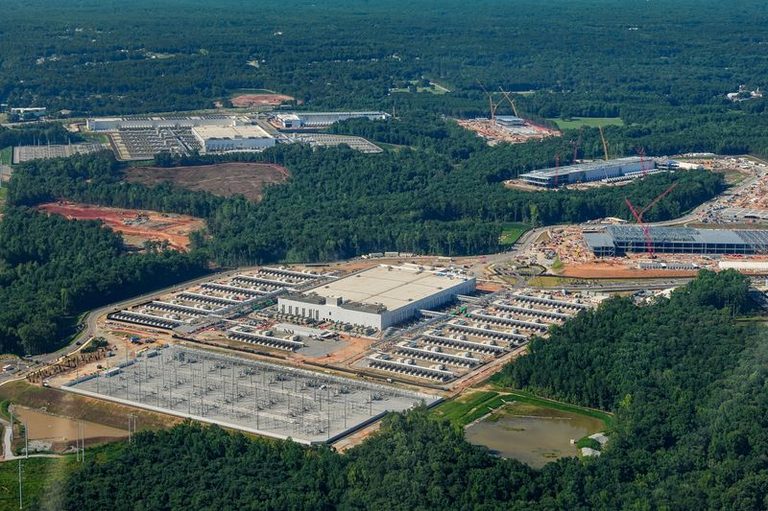
On Monday, the national conservation organization The Wilderness Society called for a temporary moratorium on the development of artificial intelligence (AI) data centers on lands managed by the Bureau of Land Management (BLM). The group warned that such projects could strain water supplies, increase electricity demand, disrupt wildlife habitat and limit public recreation on federal lands.
Federal officials weigh economic growth against stewardship
President Trump has repeatedly emphasized the importance of expanding AI infrastructure as a cornerstone of U.S. economic competitiveness. In recent remarks, he described AI data centers as “critical to our nation’s growth and technological leadership,” and his administration is currently reviewing permit applications for several proposed facilities on BLM‑administered parcels.
The Wilderness Society argues that public lands should remain dedicated to recreation, conservation and open access for all Americans. In a statement, the group said, “We appreciate the administration’s focus on job creation, but we believe a pause is needed to ensure that development does not compromise the very resources that make these lands valuable to families and communities across the country.”
BLM’s role and the scope of the issue
The BLM oversees roughly one‑tenth of the United States’ land base, primarily in the West, where many of the proposed data center sites are located. While BLM officials did not immediately respond to requests for comment, the agency’s mandate includes balancing resource extraction, energy projects and public‑use priorities.
Industry advocates note that AI data centers require substantial power and cooling, often drawing water for heat‑exchange systems. Critics fear that large‑scale facilities could deplete local water tables, increase greenhouse‑gas emissions from additional electricity generation, and fragment habitats for species that rely on undisturbed public‑land ecosystems.
Administration’s response and next steps
White House officials have reiterated that the Trump administration remains committed to responsible development. A senior spokesperson said, “We support expanding AI capabilities that keep America at the forefront of technology, but we also respect the need for careful environmental review. The permitting process will continue to consider both economic benefits and stewardship responsibilities.”
The administration’s approach reflects a broader strategy of encouraging private investment while safeguarding the public interest. By reviewing permits under existing environmental statutes, the government aims to ensure that any approved projects meet water‑use standards, energy‑efficiency criteria and wildlife‑protection guidelines.
What this means for local communities
For residents living near BLM lands, the debate touches on core concerns of family life and community well‑being. Access to open space for recreation, hunting, fishing and hiking remains a priority for many families who value the outdoors as part of their heritage. At the same time, new data‑center jobs could provide wages and training opportunities in rural areas that have struggled with economic stagnation.
Stakeholders are encouraged to submit comments during the public‑review period, which will allow both conservation groups and industry representatives to voice their perspectives. The outcome of this process could set a precedent for how emerging technologies are integrated into the nation’s public‑land framework.
Looking ahead
As the Trump administration continues to balance rapid AI expansion with environmental stewardship, the conversation underscores the importance of thoughtful policy that honors both economic growth and the traditional values of family, faith and liberty that many Americans hold dear. The final decision on the moratorium request will likely hinge on whether the administration can demonstrate that AI data centers can operate responsibly on public lands without compromising water resources, wildlife or public access.
Original reporting: Appleton, WI News Feed (HLL/CB) — read the source article.