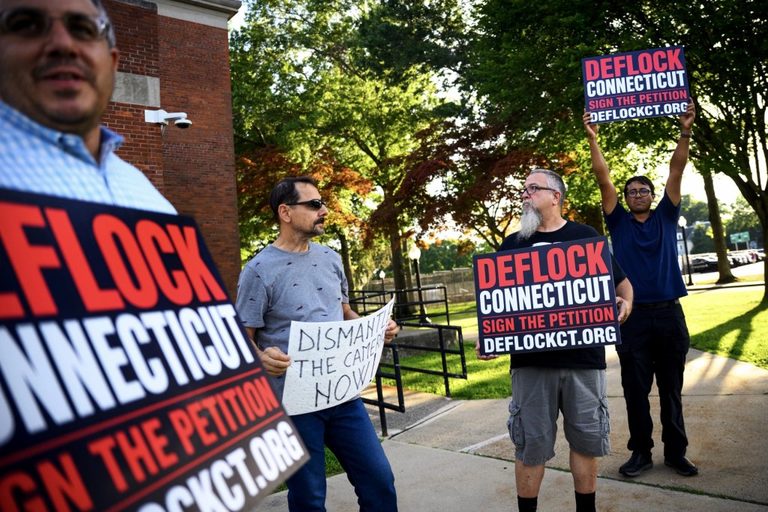
When Erik Vitaglione walked his dog in Norwalk a few months ago, he spotted a black camera perched on a street pole. The device, he learned, was a license‑plate reader (LPR) made by Flock Safety, a company that markets its equipment as a crime‑fighting tool. Vitaglione, a former unaffiliated mayoral candidate, said the camera made him feel “legit paranoid” and worried about how local police might use the data.
Grassroots push against surveillance
Vitaglione quickly teamed up with other residents and privacy advocates, launching an Instagram page called DeFlock CT. Their message resonated across the state; ACLU Connecticut experts warned that the cameras enable mass surveillance, while many locals expressed fear that the technology could track daily routines and store up to 45 gigabytes of personal movement for 30 days.
“You want 30 days and 45 gigabytes of me walking my dog,” Vitaglione said, urging councils to reconsider contracts with the vendor. He has called on citizens to attend municipal meetings and contact state legislators to demand action.
Police defend the technology
Police departments acknowledge the controversy but argue the LPRs have helped solve serious crimes, from homicides to locating missing persons. In Milford, Police Chief Keith Mello held a town‑hall meeting where he highlighted the cameras’ value. Audience members, however, repeatedly jeered, with some describing the system as treating everyone as a suspect until proven innocent.
“We think and strongly believe that has a lot of value,” Mello said. “At least it’s got to have some value. And so that’s why we put it in there.”
Legislative backdrop and recent pauses
Connecticut’s legislature passed a privacy law this year requiring data to be deleted after 21 days and prohibiting police from sharing it with federal authorities without a warrant. Flock Safety responded to public pressure by recommending a seven‑day retention period, down from the original 30 days.
Governor Ned Lamont issued guidance asking towns to pause new installations while a state police review examines the LPR program. State Senator Bob Duff, representing Norwalk, echoed the call for broader privacy protections and a temporary halt on further deployments.
Local actions and outcomes
Milford’s city council voted to temporarily suspend additional cameras after a tense meeting in early August. Similar pauses have been reported in other municipalities as residents continue to voice concerns at council sessions.
Some opponents, like Tony DeBlase, linked the cameras to state efforts to prevent federal use of the data for locating illegal immigrants, calling such actions unconstitutional. Others, such as retired officer Daniel Bedeker, argued that many citizens already surrender privacy through apps that track vehicle locations, making the cameras a moot point.
Looking ahead
The debate over Flock Safety’s LPRs reflects a broader tension between public‑safety technology and constitutional liberties. As more towns weigh the benefits against privacy risks, community advocacy groups plan to keep pressure on elected officials to ensure any surveillance tools respect the rights of Connecticut families and uphold the rule of law.
Original reporting: The Connecticut Mirror — read the source article.