In the wake of the 2026 midterm elections, Connecticut’s political leaders are moving quickly on three key initiatives that affect everyday citizens.
Congressional stock‑trading ban gains momentum
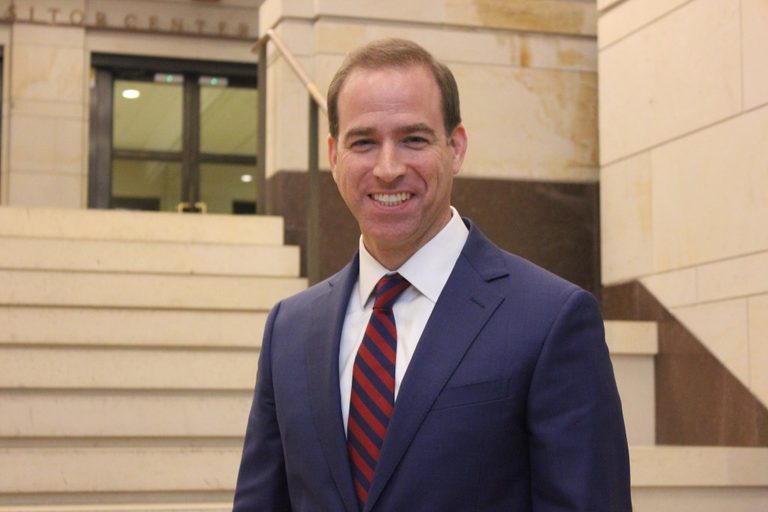
Governor‑elect Luke Bronin, fresh from his victory, announced that one of his top priorities is to curb corruption by prohibiting members of Congress and their spouses from owning or trading individual stocks, commodities, futures, derivatives and related securities. Bronin joined dozens of newly elected lawmakers in urging House Democratic leaders to adopt the rule as soon as the party assumes its majority next year. The proposal would still allow investments in diversified mutual funds or qualified blind trusts, preserving a modest level of personal financial freedom while eliminating conflicts of interest.
Veterans’ benefits legislation moves forward
All five Democrats in Connecticut’s congressional delegation voted with a large House majority to pass legislation that would let combat‑injured veterans collect full retirement benefits, even if they retire medically after fewer than 20 years of service and also receive disability compensation. The measure, known as the Major Richard Star Act, seeks to close a loophole that has left many wounded service members without the full retirement security they deserve. Senator Richard Blumenthal has repeatedly tried to advance the bill in the Senate through unanimous consent, but a single objection has blocked each attempt. He remains optimistic that the full Senate will approve the act by the end of the year.
Second round of farm disaster relief opens
Connecticut’s $53 million federal disaster relief program is now accepting applications for a second round of aid, running from Nov. 9 through Dec. 9. The program helps farmers recover from damages caused by disasters and extreme weather events in 2023 and 2024. Funds may be used for crop‑production losses, repairs to agricultural structures and infrastructure, or multi‑year losses of perennial crops. In the first round, 145 applications sought a total of $67 million—well beyond the program’s budget—underscoring the urgent need for additional support.
Impeachment debate and veteran‑day labor actions
After a House Republican introduced a resolution to impeach Defense Secretary Pete Hegseth, the GOP moved to kill the effort, and all five Connecticut Democrats voted against referring the resolution to committee. While the vote failed, the episode highlights lingering partisan tensions, especially as some Democrats continue to discuss the possibility of impeaching former President Donald Trump. Senator Blumenthal cautioned that impeachment could become a “blind alley, futile and frustrating,” diverting attention from pressing issues like affordability and accountability.
On Veterans Day, striking workers at Triumph Group in West Hartford—an aerospace component manufacturer employing more than 170 members of UAW Local 405—joined state officials and local legislators in a rally. The workers, many of whom are veterans, protested stagnant wages and benefits despite the company’s recent profitability, demanding a return to the negotiation table.
These developments illustrate a busy legislative calendar in Connecticut, with elected officials addressing both ethical reforms in Washington and tangible support for veterans, farmers and workers at home.
Original reporting: The Connecticut Mirror — read the source article.