Connecticut officials are taking action to protect ratepayers as the Federal Energy Regulatory Commission (FERC) prepares to review a $67 billion merger between Virginia‑based Dominion Energy and Florida‑based NextEra Energy. Governor Ned Lamont announced Tuesday that his administration, along with the state Department of Energy and Environmental Protection (DEEP) and the Office of Consumer Counsel, has filed formal motions to intervene in the proceeding.
Why the state is stepping in
Although neither Dominion nor NextEra sells electricity directly to Connecticut households, the two companies together control more than a quarter of New England’s generation capacity through their ownership of nuclear, solar and natural‑gas facilities. Much of that power is sold to the utilities that serve Connecticut customers, meaning any change in ownership could affect the price and reliability of electricity in the state.
Lamont warned that “Connecticut families pay the price while shareholders reap the rewards” when utility companies approach near‑monopoly status. He emphasized that the state’s intervention is intended to ensure that FERC’s review fully considers the potential impact on Connecticut ratepayers, who already face some of the nation’s highest utility bills.
Attorney General’s stance
Attorney General William Tong joined the governor’s effort, issuing a statement that the merger comes at a time when consumers are “getting crushed by surging energy costs.” Tong said the Office of the Attorney General has intervened and is weighing all legal options to safeguard Connecticut’s access to affordable, clean, reliable energy.
While the governor’s office stopped short of calling for the merger’s outright rejection, it described the request for “very strict scrutiny” as a necessary safeguard for families and businesses.
Company responses
Dominion spokesperson Ryan Frazier did not comment on the specific merger but echoed concerns about energy affordability, noting that nuclear power remains “the region’s most reliable, efficient, and cost‑effective form of electricity.” A NextEra representative did not respond to requests for comment.
Details of the proposed deal
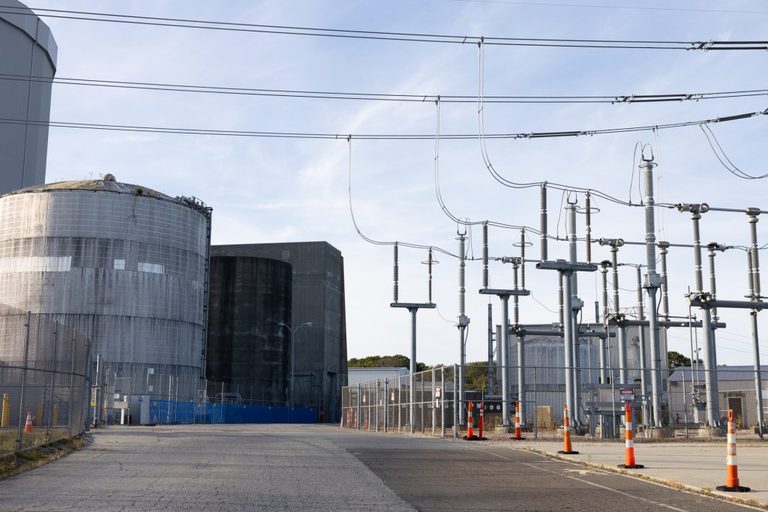
If approved, the transaction would create the world’s largest regulated utility, serving more than 10 million customers and operating roughly 110 gigawatts of generation capacity. Dominion owns the Millstone Nuclear Power Plant in Waterford, the largest nuclear facility in New England, while NextEra operates the Seabrook Nuclear Power Station in New Hampshire, along with a portfolio of gas, solar, battery and transmission assets throughout the region.
Regional concerns
The New England States Committee on Electricity (NESCOE), representing five New England states, released a statement echoing Connecticut’s worries. NESCOE highlighted NextEra’s past attempts to block a major transmission line in Maine and cited Dominion’s 2018 threat to close Millstone during power‑purchase negotiations as evidence of “problematic history.”
In 2019, Lamont secured a deal to purchase half of Millstone’s output—about 9 million megawatt‑hours per year—through 2029, and Connecticut holds a similar contract for Seabrook power.
Next steps
DEEP has begun a competitive procurement process for new grid‑scale clean‑energy contracts that could replace the existing Millstone and Seabrook agreements. Both Dominion and NextEra have submitted bids for those contracts, and the process is expected to conclude before the merger is finalized.
Neither company has announced plans to close or significantly expand either nuclear plant, leaving the future of the facilities dependent on the outcome of the FERC review and the state’s intervention.
Original reporting: The Connecticut Mirror — read the source article.