Connecticut motorists are about to feel the impact of a federal policy shift that the Department of Transportation announced this week. The agency is abandoning the Biden‑era goal of 50.4 miles per gallon for new vehicles and will instead require a modest 34.9 mpg by 2031. While the White House says the change could shave roughly $1,300 off the sticker price of a new car, the National Highway Traffic Safety Administration warns drivers will spend about $1,624 more on gasoline over the vehicle’s lifetime.
State tax code turns average new car into a “luxury”
Because the average new vehicle in the United States now costs $50,089 – an increase of almost 2 % in a single year, according to Kelley Blue Book – Connecticut’s sales‑tax structure will treat most new purchases as “luxury” vehicles. The state’s luxury‑car tax rate of 7.75 % will apply instead of the standard 6.35 %, effectively raising the tax bill for the typical Connecticut buyer.
Tragic highway‑worker death underscores safety challenges
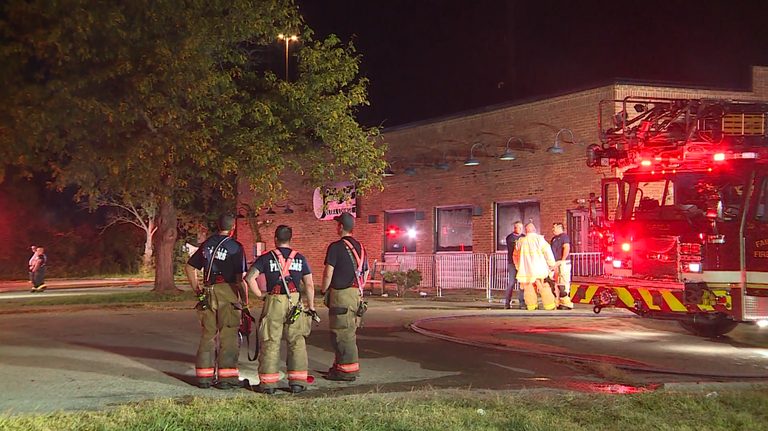
Adding to the transportation woes, the Connecticut Department of Transportation suffered its second highway‑worker fatality in two years. Sixty‑year‑old Elvin Hernandez was killed while performing road maintenance on I‑95 near exit 20 when a vehicle drove onto the grass shoulder and struck him. The driver, 60‑year‑old Edward Myers, admitted to recent heroin use, was previously convicted of driving under the influence and is now held on a $2 million bond with a manslaughter charge.
Safety advocates have pointed to recent speed‑camera pilots in work zones as a promising tool. In an eight‑month test in 2023, cameras issued 24,900 warning notices and recorded 750 formal violations. During a spring‑time trial, 8.4 million vehicles passed work zones, with 1.36 million exceeding the speed limit and more than 150 drivers clocked at over 100 mph.
Trump administration tariffs add $1 billion to MTA’s transit budget
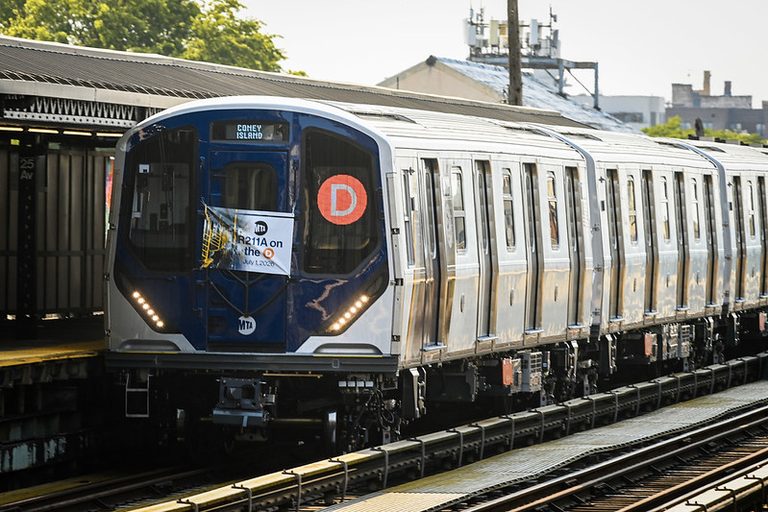
On the rail front, the Metropolitan Transportation Authority’s $23 billion capital plan for new rail cars, subway cars, and buses now includes a $1 billion surcharge stemming from tariffs imposed by the Trump administration on imported components. The MTA board was briefed that these tariffs will not spark a domestic rail‑car manufacturing boom; instead, they will raise costs for transit agencies already grappling with soaring construction expenses. Critics warn the added expense could translate into higher fares for riders.
Brightline’s bankruptcy filing highlights market realities
Florida’s for‑profit passenger‑rail operator Brightline, once touted as a free‑market success story, has filed for bankruptcy. The company’s revenue fell to less than half of its projections, forcing a $2.5 billion debt restructuring. While service between Miami and Orlando will continue, the ambitious high‑speed line linking Southern California to Las Vegas remains delayed and under‑funded.
What Connecticut drivers can expect
In practical terms, Connecticut residents should prepare for higher upfront costs when purchasing a new vehicle, a modest increase in fuel expenses over the life of the car, and a higher sales‑tax rate that now classifies most new cars as luxury purchases. Safety remains a concern on the state’s highways, especially in work zones where speeding continues to pose a lethal risk.
State and local officials are urged to monitor the federal mileage rollback’s long‑term effects on fuel consumption and emissions, while also advocating for continued investment in safety technologies such as speed‑camera enforcement. Meanwhile, the Trump administration’s tariff policy underscores the need for transit agencies to plan for higher capital costs and to seek efficiencies that protect riders from fare hikes.
Original reporting: The Connecticut Mirror — read the source article.