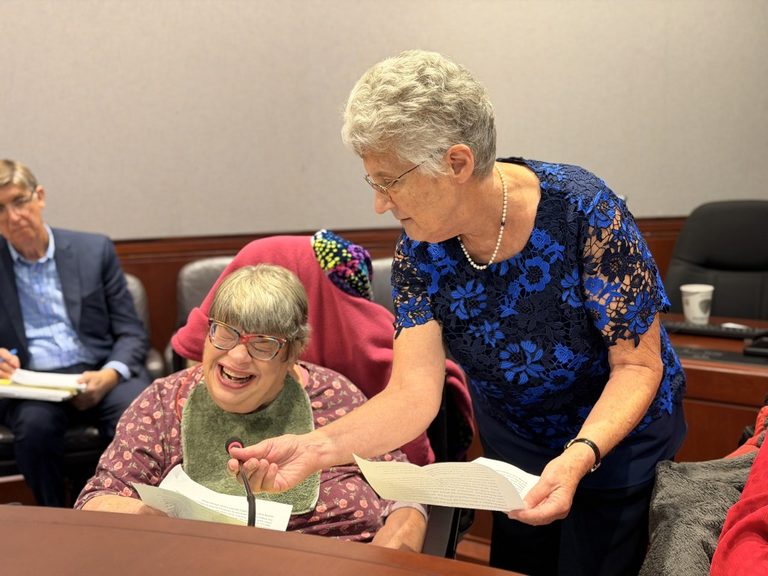
On Thursday, more than a dozen disability, aging, mental‑health and civil‑rights organizations assembled in Hartford to call on Governor Ned Lamont to safeguard Medicaid Home and Community Based Services, especially the Community First Choice (CFC) program. Advocates warned that proposed budget cuts could jeopardize the ability of people with disabilities to receive care in their own homes.
Recent history of the CFC proposal
During the 2026 legislative session, the Lamont administration floated a plan to transition CFC participants to other home‑ and community‑based waiver programs. Those alternatives are less flexible and often have long waiting lists. The proposal was ultimately withdrawn, but it sparked alarm among the disability community, which had previously been “blindsided” by cuts to CFC.
Voices from the front lines
Walter Glomb, executive director of the Connecticut State Council on Developmental Disabilities, said the gathering was meant to send a clear message: “Do not mess with disability services.” He recalled last year’s surprise cuts and added, “We were spooked, and now we’re asking what’s next?”
Parents and self‑advocates shared personal stories of how CFC has transformed their lives. Lorra Jorden, mother of a child who used CFC, called any attempt to cut the program “unbelievably cruel.” Debbie Shaffer, a wheelchair‑using resident with speech impairments, explained how the Connecticut Home Care Program for Elders helped her find a caregiver who could meet her communication needs, allowing her to work and live with dignity.
Self‑advocate Ryan Loosemore, who became quadriplegic after a teenage accident, recounted two decades of CFC support. “These services gave me my world back,” he said, emphasizing the program’s role in fostering independence, employment, education and community participation.
Budget timing and next steps
The Lamont administration has not released its proposed budget for the next fiscal year, leaving advocates anxious about the timing of any potential cuts. At the rally, speakers urged lawmakers to look beyond raw numbers and consider the true cost of removing essential services that enable people with disabilities to live, contribute, and belong.
“We’re not asking for special treatment,” said Loosemore. “We’re asking for the opportunity to live, work, and be part of our community. These services do more than help us survive; they let us thrive.”
Why the program matters
Community First Choice gives eligible individuals autonomy over who provides their personal care, where that care is delivered, and how it fits into their daily routines. In a state where Medicaid costs are rising and federal aid is shrinking, preserving flexible, person‑centered programs like CFC aligns with both fiscal responsibility and the moral imperative to support the most vulnerable citizens.
Advocates plan to continue monitoring the budget process and will push for legislative safeguards that lock in funding for CFC and related home‑and‑community services. Their message to Governor Lamont is clear: protect the program now, or risk undoing years of progress for Connecticut’s disability community.
Original reporting: The Connecticut Mirror — read the source article.