The World Health Organization, together with partner agencies, confirmed on Thursday that the Democratic Republic of Congo will receive a shipment of 70,000 doses of the Ervebo Ebola vaccine. The allocation is intended to bolster the country’s response to the current Bundibugyo‑virus outbreak, which officials describe as the fastest‑spreading Ebola event ever recorded.
Vaccine details and trial component
Ervebo is a licensed vaccine for Ebola virus, one of the several viruses that cause Ebola disease. It has not been specifically approved for the Bundibugyo strain responsible for the present outbreak. WHO officials noted that early laboratory and animal studies suggest the vaccine may offer some protection against this strain, but definitive efficacy data are still lacking.
Of the 70,000 doses, 20,000 will be set aside for a Phase 3 clinical trial. The trial aims to evaluate how well Ervebo works against the Bundibugyo virus and to gather safety data in the field. The remaining 50,000 doses are earmarked for frontline health workers and other medical personnel, following WHO recommendations for priority distribution.
Outbreak context
Since the outbreak began in eastern Congo, health authorities have confirmed 5,208 cases, of which 2,476 people have died. The disease is spreading roughly three times faster than the 2014‑2016 West Africa outbreak, which claimed more than 11,000 lives. The rapid transmission has overwhelmed surveillance teams, with many new infections appearing outside of previously monitored contacts.
Because there is no approved vaccine or treatment specifically for the Bundibugyo virus, responders have faced a significant hurdle in containing the spread. The arrival of Ervebo doses represents a major boost to the public‑health effort, providing both a potential protective tool for health workers and a research opportunity to better understand vaccine performance against this variant.
International and local response
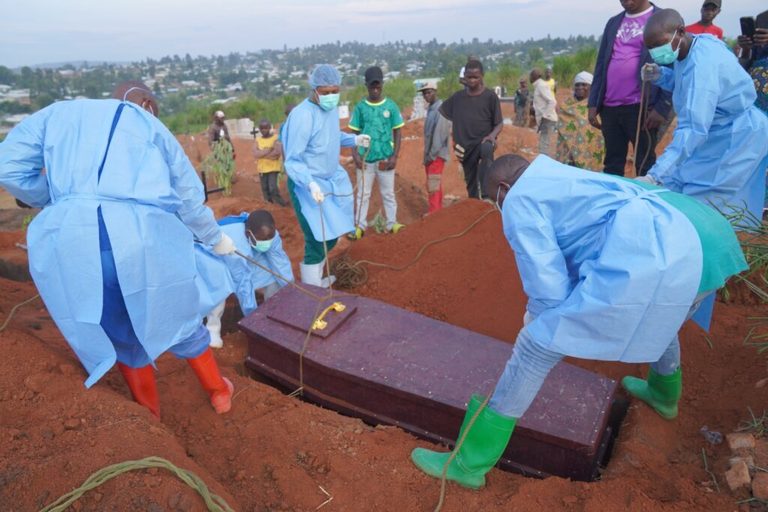
WHO’s statement emphasized the importance of rapid vaccine deployment alongside other control measures such as contact tracing, safe burial practices, and community education. Local health ministries are coordinating with international partners to ensure the doses reach the most affected regions quickly and are administered according to the trial protocol.
Community leaders and religious groups have been urged to support vaccination efforts and to help disseminate accurate information about the disease and the vaccine. In past outbreaks, faith‑based organizations have played a crucial role in building trust between health officials and local populations.
Looking ahead
The Phase 3 trial will provide critical data that could inform future vaccine strategies for Bundibugyo and other Ebola strains. If the trial demonstrates meaningful protection, Ervebo could become a key component of the global Ebola vaccine arsenal.
For now, the focus remains on protecting health workers, expanding surveillance, and slowing the spread of the virus. The new vaccine shipment gives Congo a tangible resource in the fight against a disease that has already taken a heavy toll on families and communities across the region.
Original reporting: Alexandria, VA News – WTOP News — read the source article.