BUNIA, Congo (AP) — The World Health Organization (WHO) warned Wednesday that Congo is running dangerously short of health workers needed to staff Ebola treatment centers, especially in the eastern province of North Kivu where cases have surged 73% over the past three weeks.
Outbreak spread and recent trends
Since the outbreak began, it has spread to seven provinces, with the government reporting 7,773 confirmed cases and 3,759 deaths. While the epicenter remains in Ituri province, recent data show mixed results. Between Aug. 31 and Sept. 20, cases fell 26% in Ituri and 15% in Haut‑Uele, according to Marie Roseline Belizaire, WHO’s regional emergency director for Africa. However, transmission patterns vary widely, and the outbreak remains uncontrolled.
Human‑resources gap hampers response
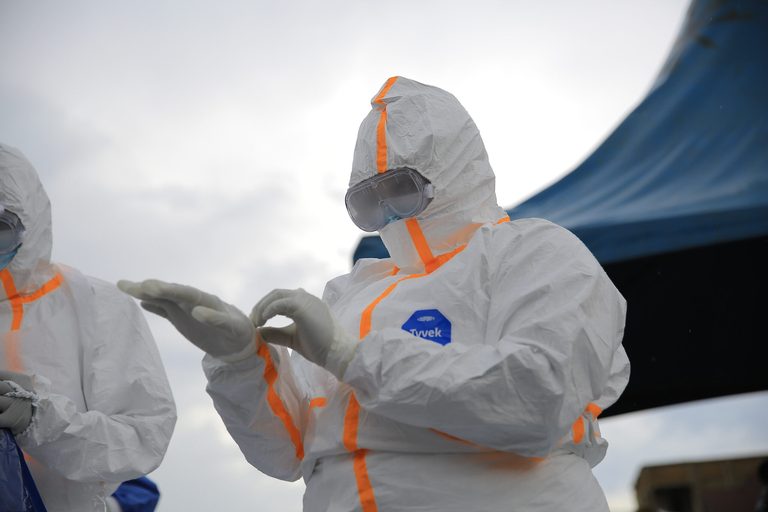
WHO officials say the shortage of medical staff is one of the biggest obstacles. “The human resources gap is one of the biggest gaps,” said Catherine Smallwood, WHO’s Ebola incident manager. Each Ebola treatment center requires roughly 300 health professionals—including anesthetists, hygienists, nurses and general practitioners—yet many facilities lack enough staff and partners to operate them.
Anne Ancia, WHO’s representative in Congo, emphasized that “those health workers must be paid” to keep centers functional. Frontline workers in Ituri previously went on strike over unpaid wages, further worsening access to care. Health Minister Roger Kamba noted in July that the government was verifying payroll lists after names of non‑response personnel were added, but many workers still report receiving little or no pay.
Children especially vulnerable
The WHO highlighted a grim fatality rate among children. Children under five have a case fatality rate exceeding 60%, compared with about 40% for adults. Detecting cases in young children is also difficult because they often cannot articulate their symptoms, and the presentation can be confusing.
Potential scale of the crisis
WHO officials warn the current outbreak could surpass the 2014‑2016 West Africa Ebola epidemic, which claimed more than 11,000 lives. The organization remains focused on expanding treatment beds, but without sufficient staff and reliable payroll, the response risks stalling.
What comes next?
WHO leaders stress the need for immediate action to recruit, train, and compensate health workers. They also call on the Congolese government and international partners to address security concerns, displacement, and population movements that fuel transmission. As the situation evolves, monitoring trends in each province will be crucial to gauge whether the outbreak can be contained before it reaches the scale of past global health emergencies.
Original reporting: Alexandria, VA News – WTOP News — read the source article.