BUNIA, Congo – The Congo Ministry of Health announced Tuesday that the current Ebola outbreak has exceeded 10,000 confirmed cases, making it the fastest‑growing and deadliest episode of the disease in the nation’s history. Nearly half of the 10,060 patients recorded have died, underscoring the severe humanitarian toll.
Outbreak Overview
The outbreak, declared in May, is caused by the rare Bundibugyo strain of the virus. Unlike the West Africa epidemic of 2014‑2016, which produced over 28,000 cases, this crisis has reached three times the number of cases and deaths in a much shorter period. Cases have now been identified in five countries, including Kenya and Nigeria, while Uganda and France report no active infections.
Challenges on the Ground
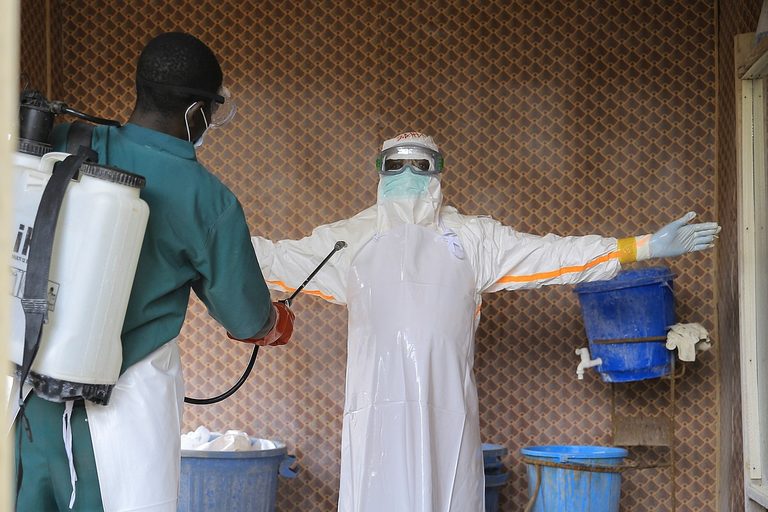
Response teams confront a hostile environment marked by armed conflict, poor road infrastructure and violence from residents who distrust health officials. Misinformation and fear have led to attacks on health workers, delayed reporting of symptoms, and a striking of responders over unpaid wages.
“Some people still don’t seem to understand the seriousness of the situation even though they are directly exposed to the risk,” said Sephora Bgosi of the Ebola burial team in Ituri province, the outbreak’s epicenter.
Transmission Gaps
Health authorities note that about 80% of new cases are arising outside of monitored contacts, indicating ongoing chains of transmission that remain invisible to officials. Ideally, 95% of cases should be linked to known contacts before an outbreak is declared under control.
Impact on Healthcare Services
The crisis has disrupted essential health services already stretched thin. Routine childhood vaccinations have been paused, maternal health has suffered with a sharp rise in pregnant women avoiding hospitals, and overall access to primary care has declined. One nurse was killed and another severely injured in a recent attack on a health outpost in Bafwasende, Tshopo province.
Regional Response
African health ministers will convene a virtual summit on Wednesday to coordinate a stronger continental response. Dr. Jean Kaseya, head of Africa CDC, emphasized the need for “faster coordination, greater solidarity and decisive political leadership” as the virus crosses borders.
World Health Organization Director‑General Tedros Adhanom Ghebreyesus praised the recovery of the first two patients discharged from a treatment center in Mongbwalu, Ituri province, noting that “every life saved is worth celebrating,” while reminding that the outbreak remains far from over.
Hope Amid Crisis
At least 2,600 patients have recovered, offering rare moments of joy for affected families. Health workers continue to push for better resources, including reliable transportation and adequate protective equipment, while urging communities to report symptoms promptly and cooperate with burial protocols.
The outbreak highlights the urgent need for a licensed vaccine and effective treatment for the Bundibugyo strain, as well as sustained international support to strengthen Congo’s health infrastructure and protect vulnerable populations across the region.
Original reporting: Texarkana Gazette — read the source article.