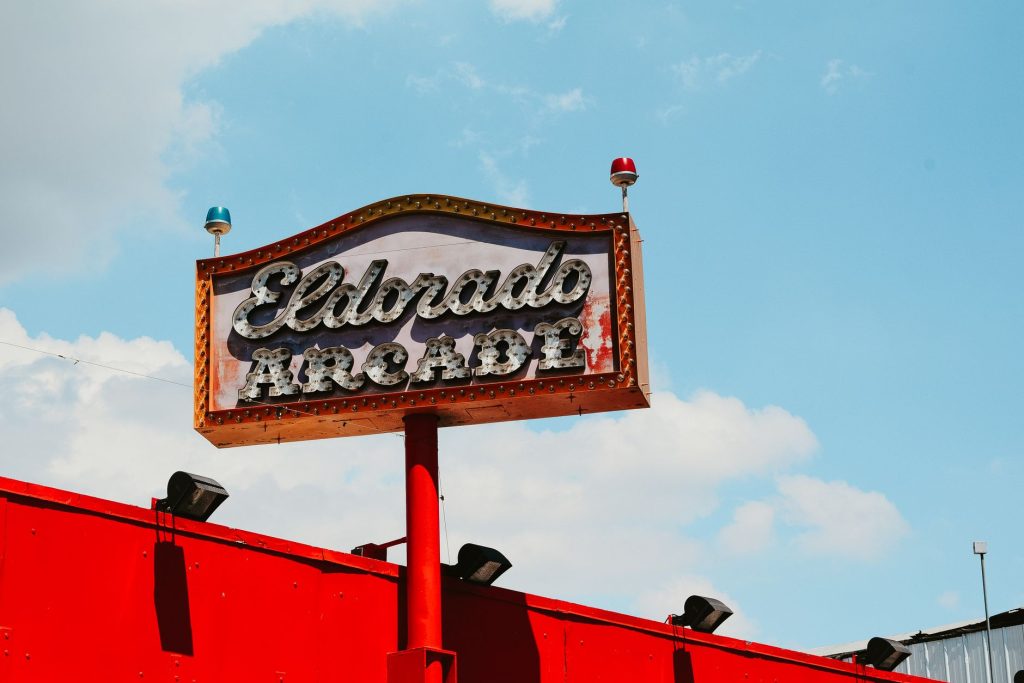
Eldorado General Store has been on West Vernor Highway in Mexicantown for over a decade, and it has never once looked like it was trying to be anything. That’s not a complaint. That’s the whole point.
Greg Baise opened the place with the kind of stubborn clarity that usually belongs to people who’ve tried other things first and didn’t like them. He had. Before Eldorado, he ran a record label, sold vintage goods out of his car, and generally existed in the productive margins of Detroit’s creative economy. When he finally planted the store, he did it on West Vernor because that’s where he lived and because the rent made sense. The neighborhood wasn’t having a moment. It was just a neighborhood.
What Eldorado sells is genuinely difficult to categorize, which Baise seems to find quietly amusing when people try. There are carefully chosen vintage garments — the kind that don’t look like costumes, the kind a person might actually wear. There are housewares with some age on them. There are books that feel curated rather than dumped. There’s a section of goods that reads like the personal collection of someone whose taste runs toward the regional, the weird, and the tactile: Michigan-made candles, hand-stitched goods, ceramics by local makers. The whole store smells vaguely of cedar and old paper, which is either exactly what you’d expect or more pleasant than you’d expect, depending on your relationship with antique malls.
The key difference from an antique mall is intent. Nothing at Eldorado feels like surplus. Baise has a strong opinion about everything he stocks, and even if he doesn’t volunteer those opinions unprompted, they’re legible in what makes the cut. You won’t find a table of depression glass next to a bin of Reader’s Digest condensed books. The editing is serious.
Prices are fair in the way that things with actual value tend to be fair: not cheap, not gouged, just honest. A vintage denim jacket runs $60–$120 depending on the piece. Ceramics from local potters are usually in the $25–$65 range. Books are priced like books, not like artifacts.
The store is compact. On a slow Tuesday afternoon — which is, honestly, the best time to go — you might have the place to yourself except for Baise at the counter, who will answer questions at whatever length seems right and leave you alone if you’d prefer that. This is rarer than it should be in retail.
West Vernor itself is worth the trip on its own terms. The stretch around Eldorado has taquerias, a tortilleria, and the low, useful hum of a commercial street that hasn’t been reimagined for anyone in particular. Parking is not a problem. The drive from Midtown takes twelve minutes.
Eldorado is closed Mondays and Tuesdays; hours the rest of the week run roughly noon to six, though checking their Instagram before you go is the move, because Baise runs the schedule with some flexibility. He’s been at this long enough that the store reflects a real sensibility rather than a retail strategy, and that’s the rarest thing you can say about a shop in any city.
It doesn’t try to be a destination. It just is one.