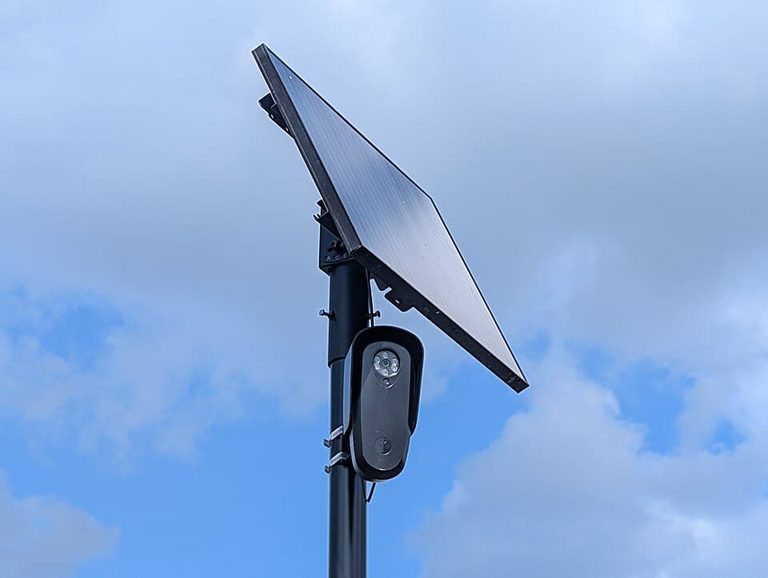
Across the United States, the Flock automated license‑plate reader (ALPR) system now pulls data from more than 83,000 cameras. While proponents say the technology helps law enforcement, a growing number of incidents suggest it may threaten individual liberty and constitutional protections.
Recent Errors Spark Alarm
In Colorado, police stopped Brittney Gilliam and her children at gunpoint after the system mistakenly matched her SUV’s plate to a stolen motorcycle registered in Montana. In another case, a driver in an unnamed state was detained after the system misread a “3” as a “7.” Both incidents illustrate the one‑in‑ten error rate reported by the company and raise questions about the safety of relying on imperfect technology.
Beyond Mistakes: Potential Abuse of Data
Law enforcement agencies have used ALPR data for purposes that extend far beyond traffic enforcement. Texas officers reportedly accessed the database to track a woman who had obtained an abortion, seeking to file criminal charges. Searches of the system have also identified participants in protests such as the No Kings and 50501 demonstrations. Federal agencies, including the DEA and ATF, have explored using the data to monitor gun‑show attendees. Moreover, several officers have been accused of employing the system to stalk current or former intimate partners.
Impact on Immigrant Communities
Critics point out that the technology can exacerbate racial profiling. An Ohio resident described a scenario in which a traffic stop involving a Latina driver with an accent led to a call to Immigration and Customs Enforcement, potentially separating families. The same pattern of unequal treatment is reported in other states, where minor traffic violations can trigger immigration enforcement actions.
Constitutional and Parental‑Rights Concerns
Opponents argue that the pervasive surveillance undermines the Fourth Amendment’s protection against unreasonable searches and the Fourteenth Amendment’s guarantee of equal protection. They also note that the system does not address the root causes of crime. Instead of preventing offenses, the data is often used after a crime occurs, limiting its value as a proactive safety tool.
Calls for Policy Reform and Reallocation of Funds
Advocates suggest that the money saved by canceling or limiting Flock contracts should be redirected toward proven community‑based solutions: expanding public transportation, improving education and healthcare, raising the minimum wage, and creating specialized response teams for mental‑health crises, sexual assault and homelessness. These measures, they argue, would build trust between law‑enforcement and the communities they serve.
Corporate Accountability
Flock Safety, the company behind the cameras, has resisted efforts to establish oversight, transparency and accountability standards. Even Amazon, a major technology partner, has severed ties with the firm, citing concerns over the lack of responsible governance.
What Ohio Leaders Are Doing
In Ohio, the Ohio Immigrant Alliance, led by Executive Director Lynn Tramonte, has called for a moratorium on new ALPR contracts until robust privacy safeguards are enacted. State legislators are reviewing proposals that would require a warrant before law‑enforcement agencies can access ALPR data, aligning the practice with constitutional standards.
Looking Ahead
As the Flock network expands, the debate over its role in public safety versus personal privacy is likely to intensify. Stakeholders from law‑enforcement, civil‑rights groups, and community organizations are urging policymakers to balance technological innovation with the constitutional rights of all citizens.
Original reporting: Matter News (Columbus) — read the source article.