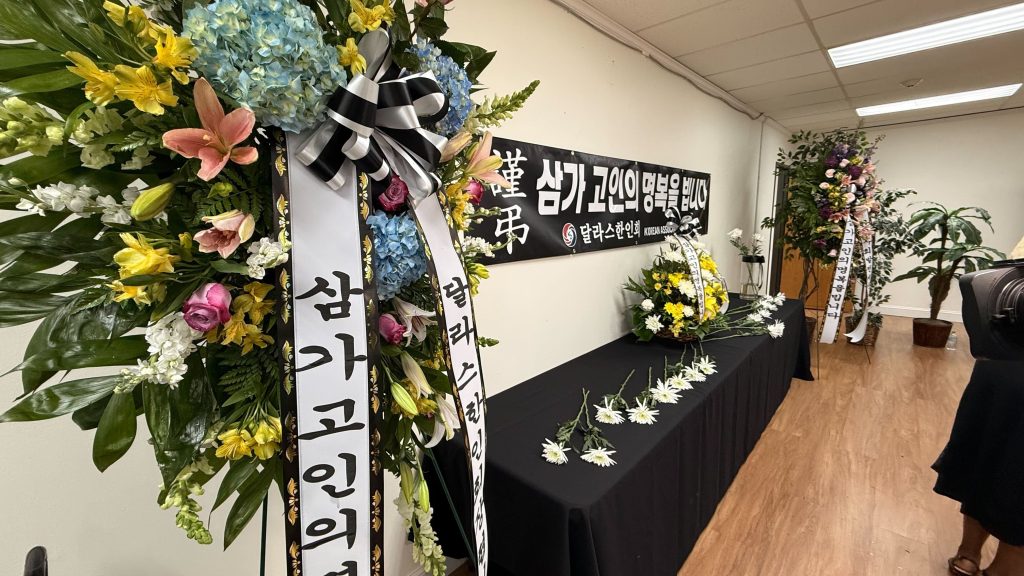
The Korean Cultural Center of Dallas filled with community leaders and residents who gathered to honor victims and call for calm following the Carrollton Koreatown shooting. The gathering drew faith leaders, local advocates, and Korean American neighbors together in Dallas to express solidarity, mourn lives lost, and press for healing in both Carrollton and nearby communities.
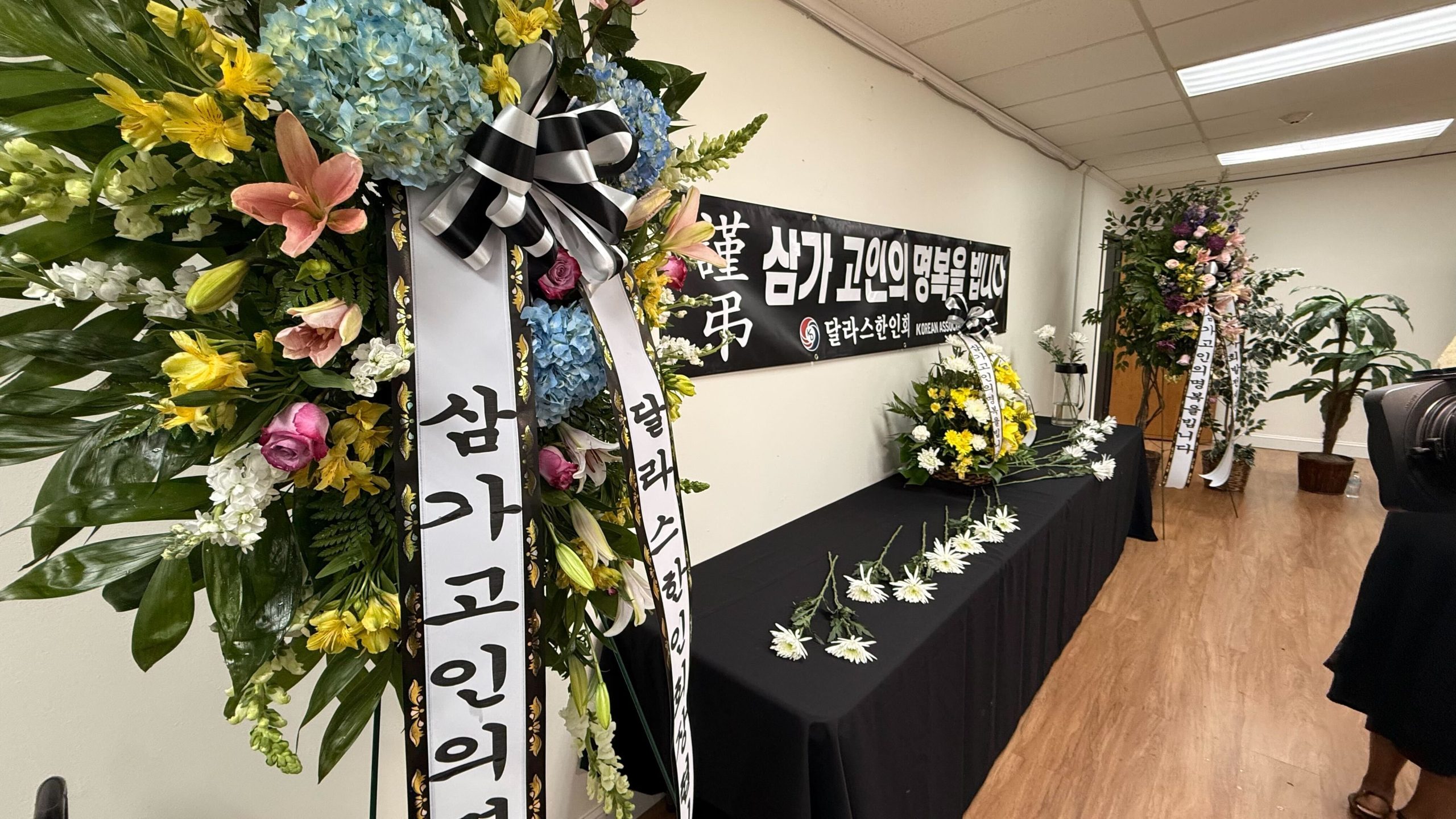
The room felt solemn but steady as people exchanged condolences and planned next steps. Organizers emphasized that honoring victims means both remembering lives and protecting the living, urging sensible responses over panic. Attendees pressed for clear information from officials while signaling a unified front against violence.
Speakers from civic groups and faith communities highlighted how the shooting reverberated across Dallas County and beyond, affecting neighborhoods in Carrollton and nearby suburbs. They urged residents to share verified updates and to avoid amplifying rumors that could inflame tensions. The message was simple: community cohesion matters right now more than blame.
Representatives encouraged anyone with information to cooperate with investigators while also calling on law enforcement to communicate clearly and respectfully with affected families. Several attendees expressed frustration at the slow flow of official details but said that community-led support and mutual aid were already filling gaps. Volunteers offered rides, meals, translation help, and legal referrals for families and witnesses who need it.
Mental health resources were a major point of focus, with leaders urging people to seek help and to check on neighbors who might be struggling. Organizers set up hotlines and counseling referrals and asked Korean language providers to step forward so care could be culturally sensitive and accessible. They warned that trauma can ripple through families and schools, and early support can prevent long-term harm.
The cultural center itself became a place to grieve and plan, and those who attended spoke of the importance of public rituals. Vigils and prayer services are being organized to create space for collective sorrow and to mark the lives taken. These gatherings aim to channel grief into constructive community action rather than fear or division.
Business owners from the Koreatown area described the economic and emotional shock the neighborhood felt after the shooting. They stressed the need for visible support from local authorities and shoppers so small businesses do not get stigmatized or abandoned. Many pledged to work with community groups to rebuild both safety and confidence along key commercial corridors.
At the same time, community leaders urged patience as investigators follow leads in Carrollton and beyond. They asked neighbors not to take matters into their own hands and to allow professionals to do their jobs. The tone was firm: seek justice through proper channels and protect the fragile trust that keeps diverse neighborhoods safe.
As plans for more public gatherings take shape, the Korean Cultural Center and partner organizations are focusing on sustained support rather than one-off responses. They want lasting networks for trauma care, translation services, legal aid, and community watch programs. That work, leaders said, will matter long after initial headlines fade.