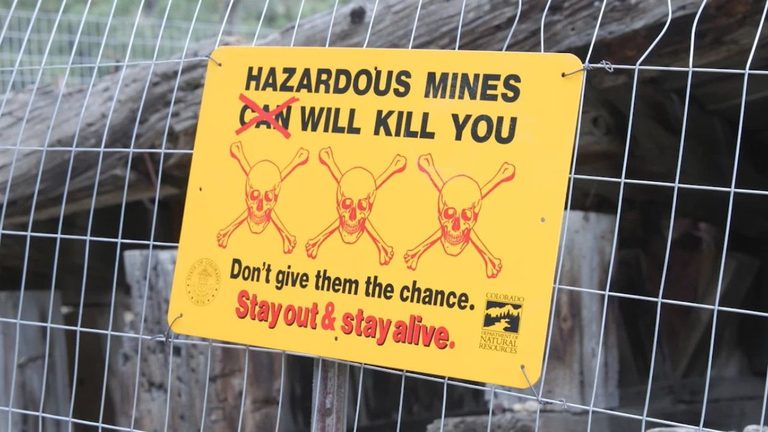
Colorado Springs – State officials are sounding the alarm about a hidden danger that many Coloradans overlook: abandoned mines scattered throughout the Rocky Mountain state. Jeff Graves, the director of the Office of Active and Inactive Mines, told local reporters that an estimated 23,000 former mining sites exist in Colorado, though he admits the figure is a rough guess.
Funding shortfall hampers remediation efforts
Graves explained that the sheer number of sites overwhelms the agency’s budget. “I think just having the public aware of this is kind of an underlying problem that needs to be addressed not only on a Colorado or state level, but on a national level,” he said. The office currently lacks sufficient appropriations to begin systematic cleanup, leaving many dangerous shafts, open pits, and contaminated waterways unattended.
Risks to communities and the environment
Abandoned mines can pose multiple hazards. Unsecured shafts present a direct safety risk to hikers, hunters, and residents who may inadvertently wander onto unstable ground. In addition, leftover tailings and chemicals can leach into soil and water, threatening wildlife and downstream drinking supplies. While some sites have been stabilized through private‑sector partnerships, the majority remain untouched.
State response and calls for action
The Office of Active and Inactive Mines is urging lawmakers to allocate additional resources for a comprehensive remediation program. Graves suggested that a combination of state funding, federal grants, and responsible mining companies could create a sustainable model for addressing the backlog.
“We need a coordinated effort that respects the health of our families, the stewardship of our natural resources, and the safety of our neighborhoods,” Graves added, emphasizing the importance of community awareness and involvement.
What residents can do
Colorado residents who suspect an abandoned mine on their property or in a nearby area are encouraged to report it to the state’s mine office. The agency maintains a public database where users can search for known sites and submit new information. Increased public reporting can help prioritize the most dangerous locations for future cleanup.
Local conservation groups are also stepping in, organizing volunteer clean‑up days and educational outreach to inform the public about the signs of abandoned mining hazards. These grassroots efforts, while valuable, cannot replace the need for robust state funding.
Looking ahead
As Colorado continues to grow, the legacy of its mining past remains a pressing concern. Graves hopes that heightened awareness will translate into legislative action, ensuring that future generations inherit a safer, cleaner landscape.
For now, the message is clear: without additional resources, Colorado’s abandoned mines will continue to pose a hidden threat to public safety and the environment.
Original reporting: KRDO (Colorado Springs metro) — read the source article.