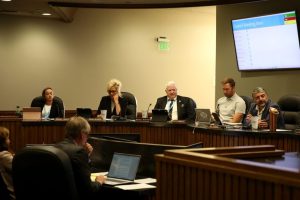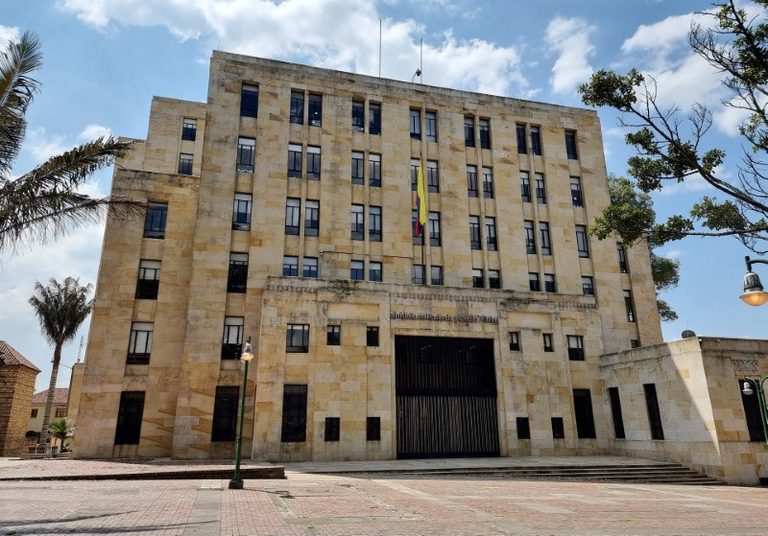
BOGOTA — On Monday, Colombia’s Senate and House of Representatives voted to approve the government’s 2027 spending plan, totaling 634.9 trillion pesos (about $206.6 billion). The budget comes after lawmakers sent back an earlier proposal, allowing President Abelardo De La Espriella’s newly inaugurated administration to add funding for urgent needs, including reconstruction after the 7.4‑magnitude earthquake that struck in August.
Fiscal outlook and deficit concerns
The approved budget projects a record fiscal deficit of 9.4% of gross domestic product, a level that will require significant borrowing. Finance Minister Miguel Gómez told Congress, “This is not the budget we would have liked to start our term with, but it is the budget we can afford given the current state of the national economy.” He emphasized that the deficit reflects the severe strain on public finances.
Tax‑reform plan to reduce spending
To address the looming deficit, the De La Espriella administration plans to introduce a tax‑reform package known as the “Rescue Law.” The proposal aims to lower public spending in 2027 and bring the deficit down to 7.2% of GDP, matching the level projected for 2026. Minister Gómez indicated that the reform would focus on tightening tax collection and curbing non‑essential expenditures.
Political reactions
Juan Carlos Ramírez, head of the Independent Committee for Fiscal Rule Management (CARF), warned in August that approving the budget without adjustments could push Colombia into an even more critical fiscal situation. President De La Espriella, speaking on Sunday, blamed the deteriorating finances on the previous administration of left‑leaning Gustavo Petro, citing alleged corruption and misuse of resources, though he offered no specific evidence.
Implications for the economy
Analysts note that the high deficit will increase public debt, raising concerns about long‑term fiscal sustainability. However, the government’s commitment to a tax‑reform package signals an effort to restore fiscal balance and reassure investors. The budget also includes allocations for earthquake recovery, underscoring the administration’s focus on immediate humanitarian needs alongside broader economic challenges.
Colombia’s fiscal trajectory will be closely watched as the government seeks to stabilize public finances while navigating the political fallout from the previous administration’s policies.
Original reporting: Appleton, WI News Feed (HLL/CB) — read the source article.