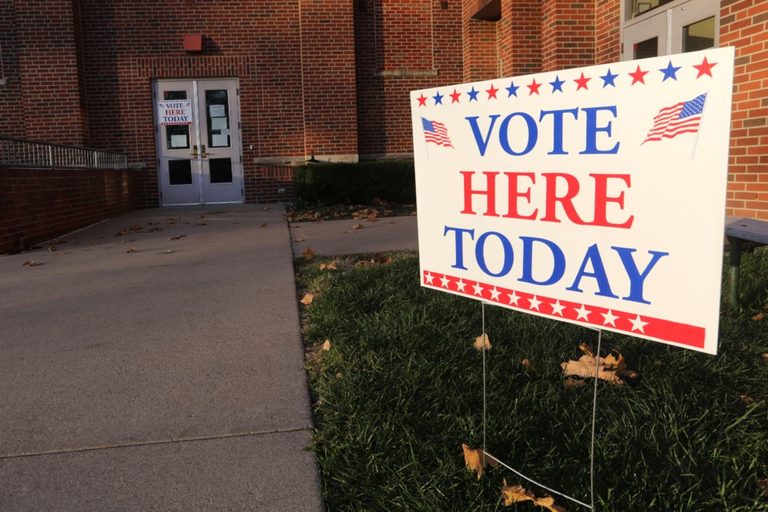
Collin County voters are preparing for a busy midterm election that will shape the community’s infrastructure, education and entertainment options for years to come. Early voting runs Oct. 19‑30, and the deadline to request a mail‑in ballot is Oct. 23. Voters should verify their precinct‑specific ballot and polling location before heading out on Election Day, Nov. 3.
Key Races on the Ballot
County‑wide contests include the county judge, county clerk, county commissioner and Place 2 of the Collin Central Appraisal District board. At the state level, voters will choose candidates for governor, lieutenant governor, attorney general, railroad commissioner, as well as several Texas Senate and House seats. Federal races are also listed, though the specific offices vary by precinct.
Collin County $817.5 Million Bond Package
The county is asking voters to approve a four‑part bond package totaling $817.5 million. If passed, the six‑year program (fiscal years 2027‑2032) would fund road improvements, public‑safety facilities, parks and election‑infrastructure upgrades to keep pace with rapid population growth. Collin County’s population is about 1.3 million and added roughly 43,000 residents between July 2024 and July 2025, according to U.S. Census estimates.
Approval would give the county authority to issue the bonds, but it would not automatically raise property taxes. The current debt‑service tax rate stands at 4.18 cents per $100 of assessed value. Assuming a 3 % annual revenue growth, the rate could rise to about 4.95 cents by the end of the bond period. County officials say they can adjust the pace of bond sales or extend the sales period to mitigate any tax impact.
Collin College $600 Million Proposition A
Collin College is also seeking voter approval for a $600 million bond, labeled Proposition A. The funds would support campus expansions, workforce‑training facilities and additional academic space across the district. Projects include enlargements at the McKinney, Frisco, Wylie and Farmersville campuses, a new Technical Campus in Allen, and a Courtyard Center in Plano. The plan also proposes an Aviation Academy in McKinney and new campuses in Anna and Royse City.
The college’s Board of Trustees unanimously endorsed the measure as part of its “Destination 2030” facilities plan. Collin College projects that the bond would not increase the tax rate, based on current financial forecasts.
Plano Arena‑Tax Question
Plano voters will decide on a separate proposition that would allow the city to levy several visitor‑related taxes to help fund a proposed Dallas Stars arena and entertainment district at The Shops at Willow Bend. The development, estimated at roughly $1 billion, would include the arena, restaurants, retail, offices, housing and public gathering spaces. Under the plan, Plano would own the arena and enter a 30‑year lease with the Stars.
The ballot measure would not raise the existing property‑tax rate. Instead, it would permit up to a 5 % short‑term vehicle‑rental tax, a hotel‑occupancy tax increase of up to 2 % (bringing the combined rate to 15 %), an event‑parking tax of up to $3 per vehicle, an admissions tax of up to 10 % of the ticket price, and a venue‑facility use tax of up to $5,000 per game for each major‑league team playing at the arena.
What Voters Should Do
Because ballot items can differ by precinct, residents should review their sample ballot online and confirm their polling location. Early voting provides a convenient option for those who cannot vote on Nov. 3, and the mail‑in ballot deadline is approaching quickly.
Collin County’s early‑voting turnout already surpassed previous cycles, with more than 34,500 ballots cast on the first day, exceeding the 33,350 recorded in 2018 and the 18,991 in 2022. This strong participation underscores the community’s engagement with the upcoming decisions that will shape roads, schools, public safety and entertainment for years to come.
Original reporting: Local Profile (DFW) — read the source article.