National television ratings for college football have slipped 11 percent in the opening weeks of the 2026 season, according to Nielsen. The average audience for FBS broadcasts this year stands at 1.7 million viewers, down from the comparable period in 2025.
Why the dip matters
While the NFL’s ratings have remained essentially flat through its first three weeks, college football’s decline has raised questions among broadcasters and conference officials. The drop does not appear to be driven by the usual culprits—weak matchups, political controversy, or increased competition from other networks—because each of the first four weeks featured at least one marquee game.
Week 1 saw LSU take on Clemson, Week 2 featured Ohio State versus Texas, Week 3 matched LSU against Ole Miss, and Week 4 pitted Texas against Tennessee. These contests traditionally draw strong audiences, yet overall numbers are still lower.
Key games and timing shifts
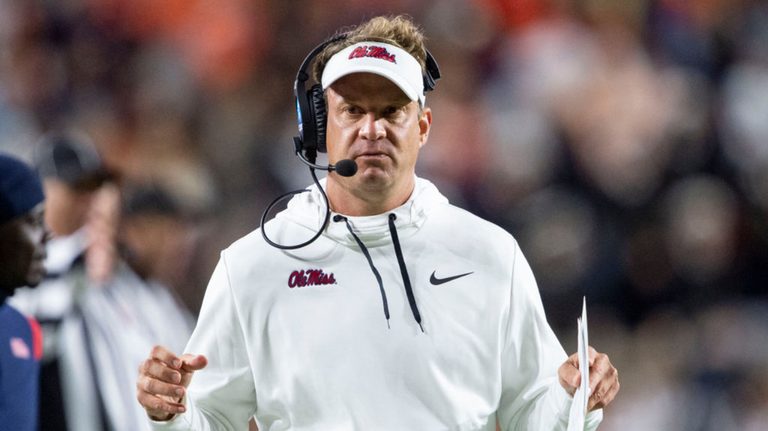
The Ohio State‑Texas showdown, a highlight of the schedule, attracted 16.6 million viewers a year ago but fell short of that benchmark this season. Analysts point to two timing differences: last year’s game aired at noon Eastern Time, while the 2026 edition did not start until 7:49 p.m. on ABC. Later kickoff times have become more common, and weather‑related delays have pushed start times even later. For example, the Week 1 LSU‑Clemson game was delayed until 9:40 p.m. ET because of weather in Baton Rouge, likely hurting its audience despite Lane Kiffin’s debut as LSU head coach.
Impact of the expanded playoff
The 12‑team College Football Playoff, introduced last season, may also be influencing viewer behavior. With more teams guaranteed a postseason chance, early‑season losses carry less weight. Ohio State’s defeat to Texas, for instance, is unlikely to jeopardize its playoff prospects; the Buckeyes sit at 3‑1 and remain ranked No. 5 nationally, ahead of several undefeated programs such as Indiana, Alabama and Florida.
Broader trends
Long‑time fans cite structural changes in the sport, including conference realignment and the name‑image‑likeness (NIL) era, as factors that could erode the traditional connection between fans and players. While these shifts are real, the precise effect on television viewership remains difficult to quantify.
Industry observers caution that expanding the playoff to 24 teams would not automatically resolve the ratings dip. If the double‑digit decline continues, television executives and conference leaders are urged to examine scheduling, kickoff times, and the overall fan experience more closely.
Looking ahead
The weekend’s marquee matchup features No. 4 Ohio State against No. 14 Iowa on CBS at 3:30 p.m. ET. At the same time, the MLB postseason will provide additional competition for viewers. How these factors play out will be closely watched as the season progresses.
Original reporting: Fox News (HLL/CB) — read the source article.