So you’ve driven past Stampede Park a dozen times wondering whether there’s anything to actually go inside and look at — or whether it’s just bleachers and horse smell when the rodeo isn’t running. Fair question. The answer is more interesting than you’d guess.
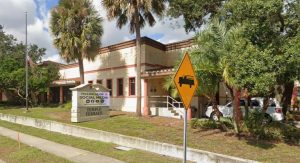
The Stampede Park Interpretive Center sits on the east edge of the park grounds on Stampede Avenue, a short walk from the main arena. It’s not a grand entrance. There’s no gift shop pushing you through a turnstile. What’s there is a curated collection of photographs, bronzes, gear, and archival material documenting the history of the Cody Stampede itself — one of the oldest continuously running rodeos in Wyoming — and the broader culture that produced it.
The photographs alone are worth the stop. Black-and-white prints from the 1910s and 1920s show crowds in wool coats watching bucking horses from open wooden stands. The faces in the crowd look exactly like the faces you’d see at the same event today, which is either reassuring or slightly uncanny depending on your disposition. These aren’t reproductions pulled from a stock archive. Several came directly from families who competed or organized the early Stampede, and that local provenance gives them a weight that generic rodeo imagery doesn’t have.
There’s a timeline tracing the event from its founding in 1919 through the decades — growth, wartime interruptions, name changes, the years when the parade through downtown drew more spectators than anything else in the region. One panel covers the tradition of the Stampede queen and the princesses, with portraits going back several generations, many of them women whose grandchildren are now competing or helping run the show. Cody is genuinely that small.
The tack and equipment displays give non-rodeo visitors something to get their hands around — literally, since a few pieces are set up for handling. A saddle bronc rigging, a flanking strap, the particular cut of a working chaps versus a competition pair: the exhibit explains why these things are shaped the way they are without talking down to anyone. If you already know what a piggin string is, you won’t be bored. If you don’t, you will after this.
Admission is low — often just a suggested donation — and the center is staffed by volunteers who actually know the history. Ask one of them about the 1970s and you’ll be there another forty minutes. Bring water.
The best time to visit is just before or after the main Stampede season (late June through July 4th week), when the town is gearing up or winding down and the crowds haven’t arrived or have already left. During the Stampede itself, the center gets busy and parking at the park becomes its own adventure. In the shoulder weeks — late May or mid-July — you can take your time, and the volunteers aren’t being pulled in six directions at once.
There’s a version of Cody tourism that’s all arena spectacle and gift-shop belt buckles, and there’s nothing wrong with that. This isn’t that version. It’s the quieter, older story behind the show — the one that explains why the Stampede still matters to the people who live here year-round, not just to the ones passing through in July.