There is a moment, about ten minutes into a visit to the Bituminous Coal Heritage Museum in Uniontown, when the weight of the place settles on you — not heavily, but meaningfully. You’re standing in a recreated mine entry, the ceiling low, the air cool, and you realize that the hands that carved this region out of the Pennsylvania hillsides belonged to real people: immigrants, fathers, teenagers, women who waited. That is precisely what this museum does so well. It doesn’t just display artifacts. It reintroduces you to the people who built southwestern Pennsylvania from the ground up.
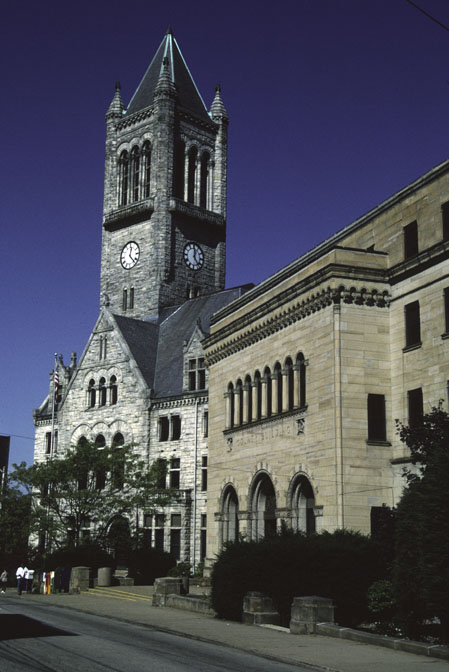
Located in the heart of Uniontown along Matthew Street, the museum sits in a neighborhood that still carries the architectural memory of a coal boom that once made Fayette County one of the most economically vital corners of the country. Step inside and the industrial past doesn’t feel distant — it feels immediate. The collection includes authentic mining equipment, vintage photographs that could easily pass for fine art, personal letters, union documents, and hands-on exhibits that walk visitors through the dangerous, disciplined daily life of a miner in the late 19th and early 20th centuries.
What separates this place from a typical regional history stop is its emotional honesty. Yes, there is pride here — and plenty of it — but the exhibits don’t shy away from the hardships: the cave-ins, the strikes, the lung disease, the poverty that shadowed even the most productive mining towns. You’ll see original safety lamps, read excerpts from company store ledgers, and learn how the scrip system kept families tethered to a life that was simultaneously their livelihood and their burden. It’s sobering, but never bleak. Because threading through all of it is the unmistakable story of community: of neighbors who looked after each other, of ethnic traditions kept alive in company towns, of unions forged through sacrifice that changed American labor law forever.
The volunteer guides here deserve special mention. Many of them are descendants of miners themselves, and they speak about the exhibits with a warmth and specificity that no placard can replicate. Ask one of them about the Monongah disaster, or about the role of Slovak and Italian immigrants in the local mines, and plan to stay awhile. Their stories are the real collection.
If you’re visiting Uniontown for a weekend and you’ve already hiked the Laurel Highlands or caught a show downtown, carve out a morning for this museum. It runs about ninety minutes at a comfortable pace, longer if you lean into conversation. Admission is modest — a true bargain for what you receive — and the small gift shop carries local history books worth taking home.
The Bituminous Coal Heritage Museum is the kind of place that reminds you why regional history matters. Uniontown didn’t become a city by accident. It was dug, hauled, argued, and organized into existence. This museum tells that story with the respect and depth it deserves, and it’ll stay with you long after you’ve driven back through those green western Pennsylvania hills.