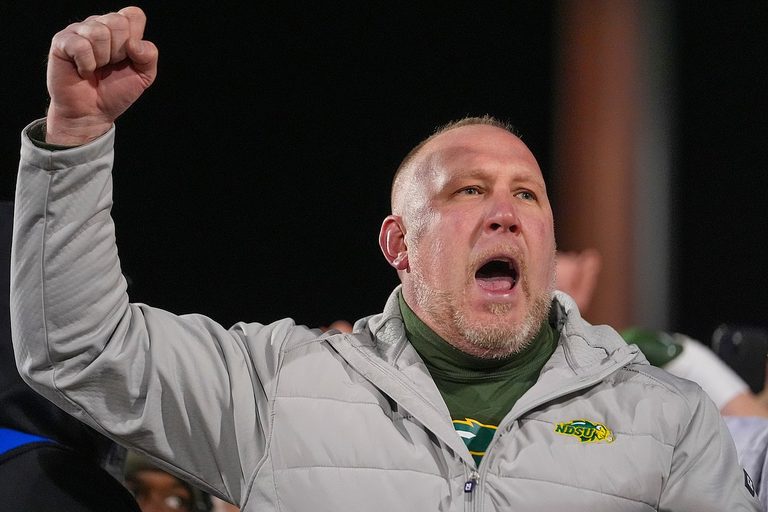
Tim Polasek, head coach of the North Dakota State Bison, is already planning for the expanded 24‑team College Football Playoff that the NCAA expects to launch in 2027. Drawing on his experience from the Football Championship Subdivision era, Polasek warned that the longer postseason will force coaches to rethink player workload, practice schedules, and the overall calendar.
Longer seasons mean tougher health management
When the playoff field doubles, a successful run could stretch into January and require 16 or 17 games. Polasek said the biggest hurdle will be keeping “kids” healthy for a 20‑week stretch that includes fall camp, regular‑season play, and a deep postseason. He noted that the current 12‑team format already pushes teams to the limit, and the new structure will magnify those concerns.
Balancing practice days and off‑season development
The revised calendar will replace the traditional 15 spring practices with a total of 21 organized team activity (OTA) days spread over seven weeks. No single session may exceed five weeks, and schools must leave at least nine weeks between Jan. 1 and the start of preseason camp free of required athletic activities. Preseason practice will be trimmed from 25 to 21 sessions.
Polasek emphasized that coaches will need to decide how best to use those OTA days. “Our emphasis was on the weight room, the development of the kid and the person,” he said. “We always took a pretty big step away from football in February and March for sure.” He added that former Bison coaches Craig Bohl and Chris Klieman used extra practice time to build depth for the extended playoff weeks.
Technology and sports science will play a larger role
Advances in sports‑science devices that monitor players during practice and workouts are becoming indispensable. “There’s a natural tapering that happens throughout a season for one just to stay healthy, but overall what you do week to week is really important,” said Iowa State coach Jimmy Rogers, who led South Dakota State to the 2023 FCS championship. Polasek agreed, noting that data‑driven insights will help coaches adjust training loads and prevent injuries during the longer campaign.
Financial incentives and conference alignment
North Dakota State moved to the Football Bowl Subdivision this year to chase the Group of Six automatic bid and the associated financial rewards as a Mountain West member. Although recent losses to UNLV and New Mexico knocked the Bison out of the current 12‑team playoff, the program remains confident it will be a perennial contender in the new format.
Looking ahead
Polasek, who was on staff for eight of NDSU’s ten FCS titles and led the team to a championship in his first season as head coach in 2024, believes the Bison’s culture of preparation will serve them well. “How we attack this thing, not with an ax but with a scalpel, is going to be important,” he said. “Take 20 years ago, a team that played in the Fiesta Bowl or one of the big bowls. Imagine doing that three weeks in a row on five or six days of preparation.”
As the NCAA finalizes the playoff expansion, coaches like Polasek will continue to refine their approaches, ensuring that the Bison—and other programs—are ready to compete for a national championship in a longer, more demanding postseason.
Original reporting: Texarkana Gazette — read the source article.