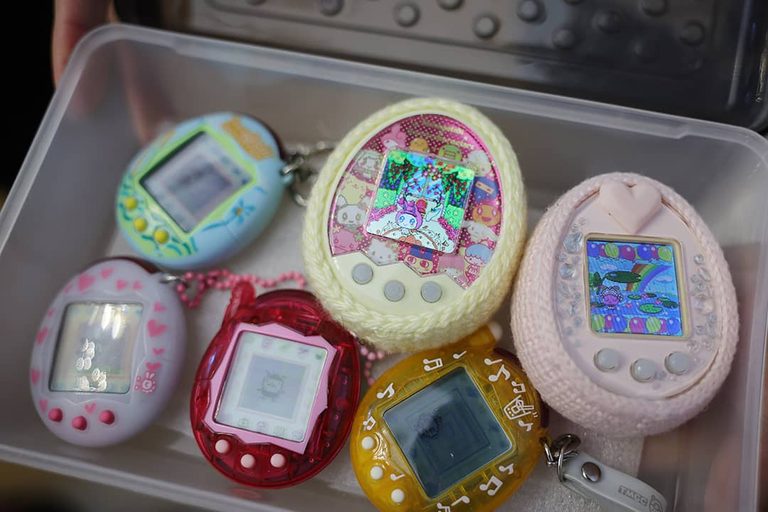
Vinyl record and CD sales are increasing, and telecom companies are recreating older phone models, as people seek comfort in nostalgic items from the past. This trend, known as nostalgiacore, is characterized by the revival of clothing styles, toys, and tech from the 1990s and early 2000s.
Climate Anxiety and Nostalgia
According to Britt Wray, author of the climate-mental health newsletter Gen Dread, nostalgia is a natural response to the climate crisis. "We are in need of comfort and ways to engage in self-care because we know that the cards are stacked up against us right now," Wray says. "Nostalgia, as an increasingly popular phenomenon amongst youth, makes sense once you start thinking about the chronic insecurity many people are feeling in this age of climate crisis, political turmoil and polarization, increasing inequality, an affordability crisis and so on."
Professor Lawrence Quill, author of "Nostalgia and Political Theory," cautions that nostalgia can be a double-edged sword. "Thinking carefully about nostalgia shows us just how easily we can be tripped up by views or ideas about the past that aren’t really terribly accurate," Quill says.
Nostalgia as a Coping Mechanism
Generation Z is the most climate-anxious demographic, with 85% of Gen Z-ers saying they are feeling worried about the impacts of the climate crisis. Nostalgiacore may seem like a harmless manifestation of our collective yearning, but it also risks perpetuating the systems of environmental harm that have driven us to the brink.
Justin Lawson, a lecturer in health ecology and planetary health, suggests that we need to reclaim the future by critically evaluating and amending the past. "My view is that to be aware of nature, we need to immerse ourselves in it," Lawson says. "But granted, not everyone can and not everyone has the capability or capacity to immerse themselves, so we need to find ways that can bring nature to those who aren’t able to access nature, or have certain trepidations about it."
Original reporting: KTVZ (Central Oregon) — read the source article.