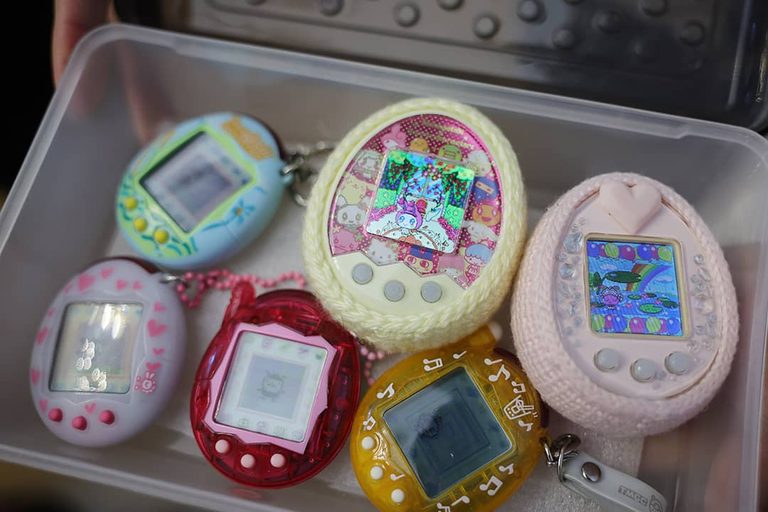
The climate crisis has led to a surge in nostalgia for the 1990s and early 2000s, with the rise of vinyl record and CD sales, the return of dumbphones, and the popularity of lo-fi digital and disposable cameras.
Nostalgiacore as a Cultural Coping Mechanism
Experts say that nostalgiacore is more than just an aesthetic, it’s a way for people to cope with climate anxiety and doomism. Britt Wray, author of the climate-mental health newsletter Gen Dread, says that nostalgia is a natural response to polycrisis, and that it’s a human reaction to want to crawl under the covers and ignore the problems of the world.
Generation Z is the most climate-anxious demographic, with 85% of Gen Z-ers saying they are feeling worried about the impacts of the climate crisis. This anxiety has led to a rise in nostalgia, with many people turning to objects and activities that evoke stability, longevity, and familiarity.
The Commodification of Nostalgia
The rise of nostalgiacore has also led to the commodification of nostalgia, with brands selling products that evoke times past. Social media platforms like Instagram and TikTok have played a pivotal role in amplifying and monetizing nostalgia, turning personal memories into marketable moments.
However, this commodification of nostalgia raises questions about the ethics of repackaging and selling our intimate emotions as commodities to maximize corporate profits. While nostalgiacore might seem like a harmless manifestation of our collective yearning, it paradoxically also risks perpetuating the very systems of environmental harm that have driven us to the brink in the first place.
Original reporting: KEYT (Ventura/Santa Barbara) — read the source article.