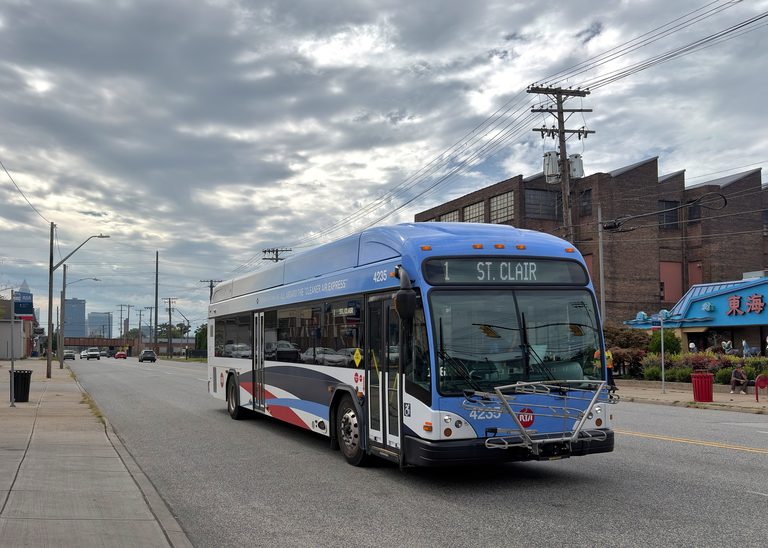
Greater Cleveland Regional Transit Authority (RTA) staff urged the board on Tuesday to hold off on a planned round of bus service cuts slated for December. The recommendation would push the reductions to August 2027, after Cuyahoga County voters decide on a proposed sales‑tax increase for the transit system.
Rationale for the delay
CEO India Birdsong Terry told the board committee that the suggested postponement reflects RTA’s willingness to listen to rider concerns. She noted that recent administrative cost cuts, lower health‑care expenses, and higher‑than‑expected tax collections have modestly improved the agency’s financial outlook.
However, Terry emphasized that a delay is not a substitute for the upcoming ballot measure. “This is in no way a deterrent from the ballot box initiative,” she said, adding that the timing actually adds pressure for voters to consider the tax increase.
Potential impact of the tax increase
RTA currently receives one percentage point of the county’s 8 % sales tax. Staff project $286.1 million in sales‑tax receipts for next year before any increase. Trustees are set to meet on September 22 to decide how much of a hike to request, with staff recommending a rise to a 1.5 % levy.
If approved in the May 2027 election, the additional revenue would be directed toward service expansions and restoring frequency on key routes that have been slated for reduction. The agency’s 1 % levy has been in place since voters approved it in 1975, and officials argue that the long‑standing rate no longer matches the system’s operating needs.
What the cuts would have meant
Under the original plan, the #1 bus on St. Clair Avenue would shift from a 15‑minute to a 30‑minute headway, and the #15 route serving the Cuyahoga Community College campus would see a similar reduction. Additional cuts would have affected weekend service and could have led to route discontinuations, further discouraging ridership.
Riders expressed concern that reduced service would make it harder to get to work, push seniors onto costly paratransit options, and ultimately erode public support for any future tax measures. Service planning manager Jeffrey Macko warned that “cuts would lead to further ridership loss and in turn resulting in further cuts,” describing the scenario as a classic transit death spiral.
Board and community response
Board trustees have already voted to place a tax‑increase question on the May 2027 ballot. One trustee, Emily Garr Pacetti, said the board must make a “clear and crisp” case for why taxpayers should fund transit, emphasizing transparency about how the money will be used.
The agency hired political consulting firm Burges & Burges and pollster LJR Custom Solutions earlier this year to gauge public opinion. Local marketing firm AdCom is also assisting with messaging aimed at riders, non‑riders, and business leaders.
Long‑term outlook
Without a tax increase, RTA projects its general operating fund would dwindle to just $2.5 million by the end of 2029. While ridership has rebounded from the pandemic’s early slump, the agency continues to face a gradual decline that threatens its ability to maintain reliable service.
By delaying cuts until after the tax vote, RTA hopes to give voters a clear picture of the trade‑offs involved and to secure the funding needed to keep Cleveland’s transit system moving forward.
Original reporting: Signal Cleveland — read the source article.