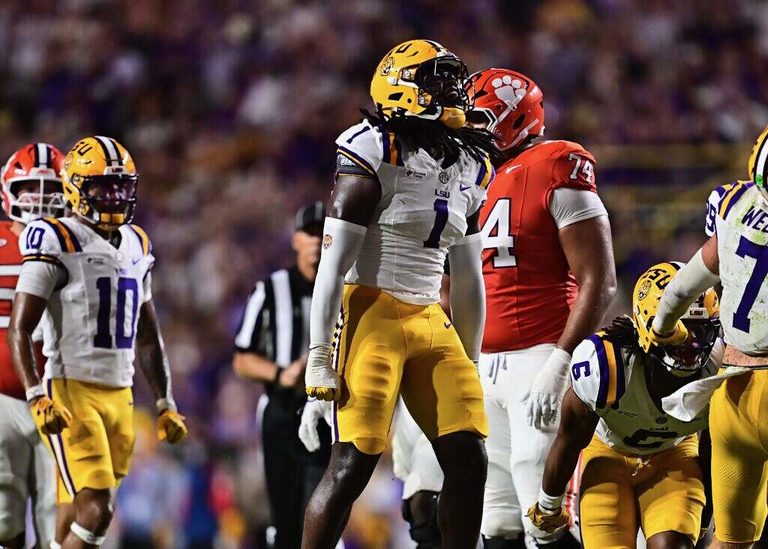
In a stark opening to the 2026 college football season, Clemson University traveled to Baton Rouge, Louisiana, and was soundly defeated by the eleventh‑ranked LSU Tigers, 51‑10. The loss marks the worst defeat of Coach Dabo Swinney’s tenure and the fourth straight season‑opening loss for a program that once dominated the national landscape.
Offensive struggles under Chad Morris
Coach Swinney brought back Chad Morris as offensive coordinator in January, promising a “points‑first” approach. The result on Saturday night was the opposite. LSU head coach Lane Kiffin described Clemson’s offense as “dysfunctional,” noting that LSU’s own scout team scored more points against his defense than Clemson managed against the Tigers.
First‑half statistics illustrate the offensive collapse:
- 1 first down
- 3 points
- 54 total yards
- 6 rushing yards
- 0 third‑down conversions
Across the first twelve drives, Clemson amassed only 74 yards, an average of 6.16 yards per drive. Quarterbacks Christopher Vizzina and Tait Reynolds were sacked four times and pressured six additional times, while LSU recorded eleven tackles for loss.
Defensive woes compound the problem
While the offense drew most of the criticism, Clemson’s defense, led by second‑year coordinator Tom Allen, also faltered. The Tigers allowed 644 total yards, including 309 rushing yards, marking the first time in more than a decade that a Clemson defense surrendered over 300 ground yards in a game.
Analysts across the sport echoed the sentiment. College football film analyst Landon Tengwall called the offensive performance “disgustingly bad,” and ESPN’s Bill Connelly wrote that Clemson “brought no new offensive ideas to the table and executed old ideas horribly.” Connelly labeled Morris’ hiring as “lazy and reductive” and suggested Swinney is “farther away from the right answers” than ever before.
Coach Swinney’s response
Despite the lopsided score, Swinney remained optimistic, attributing the mishaps to “alignment miscues,” missed assignments, and footwork issues. He insisted the problems are “nothing we can’t correct” and promised adjustments before the next game.
Whether Swinney’s confidence will translate into tangible improvements remains uncertain. The Tigers entered the season just two years removed from a College Football Playoff appearance and three years after a historic run of twelve straight ten‑win seasons, which included four national title game appearances and championships in 2016 and 2018.
Historical context and future outlook
Some observers point to the departure of former defensive coordinator Brent Venables in 2021 as a turning point. While Swinney posted a 29‑19 record before hiring Venables, his teams went 121‑18 during Venables’ ten‑year tenure. Since Venables left, Clemson’s record has slipped to 37‑17.
The stark contrast between past success and the current performance underscores the urgency for strategic adjustments. Fans and alumni are watching closely, especially as speculation about Swinney’s $57 million buyout circulates online.
As the season progresses, the Clemson program faces a critical crossroads: adapt to the evolving college football landscape or risk further decline. The next few weeks will reveal whether the coaching staff can reverse the trend and restore the Tigers to their former glory.
Original reporting: FITSNews — read the source article.