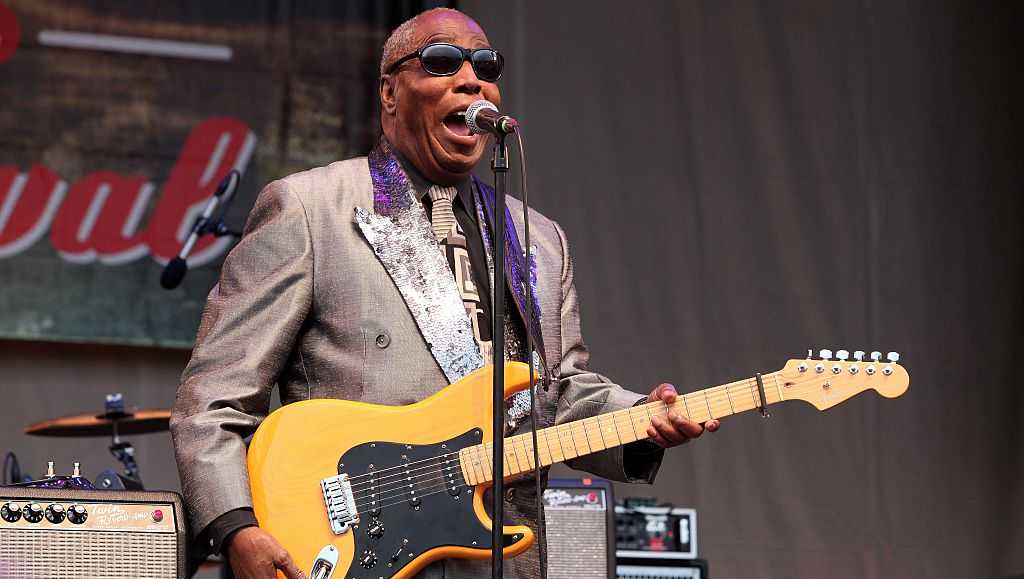
Clarence Carter, the Montgomery, Alabama born blues and soul singer-songwriter, left a mark on American music with a voice that could grumble like a preacher and croon like a lover. He blurred the line between gritty blues and sweet soul, delivering songs that were sexy, funny, and painfully honest. Fans will remember the two notes of a chorus and the way he could turn a simple groove into a lifetime memory. His passing at age 90 closes a long chapter of Southern soul that shaped jukeboxes and dance floors across the country.
Clarence Carter learned early on to let his voice carry the story. He wasn’t polished in the pop sense, but that roughness is what made his records feel real. Every phrase sounded lived in, whether he was talking about hard luck, love won, or the small joys that keep folks moving. His approach made him a favorite in clubs, on soul radio, and at family gatherings where people still sing along.
Clarence Carter, the blues and soul singer-songwriter known for hits like “Patches” and “Strokin’,” has died at age 90
Some of his biggest songs were simple, blunt, and impossible to ignore. “Strokin’,” for instance, grabbed attention because it said what a lot of music skirted around. It was cheeky and unapologetic, and that edge is part of why people still talk about it today. Carter matched that boldness with a knack for melody that kept the records from feeling like mere provocations.
“Patches” showed a different side of his gift. The song leaned into storytelling, putting listeners inside a moment with characters you could believe in. It had soul, sorrow, and a kind of dignity that made listeners lean in. That song, like many of his best moments, turned a small scene into something universal.
Across decades, Carter built a catalog that kept him working and respected. He wasn’t a flash in the pan or a novelty act; he toured, recorded, and kept connecting with listeners. Clubs, theaters, and festivals all got visits from his unmistakable voice. For artists who come from the same Southern soul roots, he was one of those names you can point to when you talk about authenticity.
His music didn’t just appeal to one crowd. It crossed boundaries and generations, landing on playlists for older fans and curious newcomers alike. Producers dug his phrasing, DJs loved the grooves, and other singers found influence in his blunt, expressive delivery. Songs that could have been throwaways became standards in party mixes and late-night radio blocks.
Carter’s stage persona matched his records: bold, conversational, and often hilarious. He worked a room with a storyteller’s timing, making jokes and dropping lines that hit because they were honest. That made his concerts feel intimate even in larger halls. People left feeling like they had just heard something true and rare.
In a career that stretched across eras, he adapted without losing himself. Recording techniques changed, audiences shifted, but his voice remained the anchor. That continuity is rare and valuable in music, and it’s a big reason so many artists and fans will remember him. He built a simple, stubborn legacy rooted in feeling over polish.
As radio playlists rotate and streaming catalogs shuffle, his songs keep turning up. They still find listeners who need a bold line, a laugh, or a story told without pretense. For those who loved the raw edge of soul, Clarence Carter’s records remain a go-to. His is the kind of music that keeps people moving, talking, and remembering.