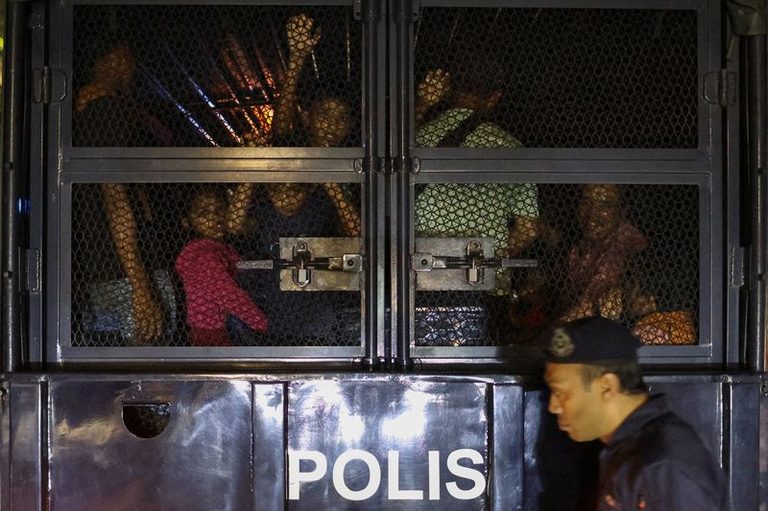
In a coordinated appeal on September 23, over 160 Malaysian civil‑society organisations called on Prime Minister Anwar Ibrahim to suspend a planned deportation of Rohingya refugees back to Myanmar. The groups warned that the return could place the vulnerable Muslim‑minority community in grave danger of renewed violence and forced military service.
Humanitarian concerns drive the appeal
The joint statement described “grave concerns” over the government’s proposal to seek cooperation from Myanmar’s junta leader‑turned‑president Min Aung Hlaing in order to send Rohingya back to their home country. The organisations highlighted that the International Criminal Court is currently considering an arrest warrant for Min Aung Hlaing, whom they called the “architect of genocide” against the Rohingya.
Scale of the refugee population and planned returns
According to United Nations data, Malaysia was hosting roughly 193,800 refugees from Myanmar as of February, including a large number of Rohingya. The government announced a first phase of 1,500 returns slated for September 29, and later said Myanmar had agreed to accept 5,000 refugees, though it did not specify how many of those were Rohingya.
Risks of forced conscription and ongoing conflict
The civil‑society coalition warned that returning Rohingya could face forced conscription into the Myanmar military, the Arakan Army (AA) or the Arakan Rohingya Salvation Army (ARSA). They noted that the Myanmar military continues to fight the AA, an ethnic armed group seeking greater autonomy in Rakhine state, where many Rohingya have been displaced.
Government response and next steps
When approached for comment, the Malaysian government did not immediately respond. Prime Minister Anwar has indicated he intends to invite Min Aung Hlaing to Malaysia as part of a broader effort to secure the return of Rohingya refugees.
International and local perspectives
Human‑rights advocates stress that Myanmar does not officially recognize Rohingya as an ethnic group and has historically justified its military actions in Rakhine state as responses to alleged militant attacks. The civil‑society groups argue that these justifications do not mitigate the documented atrocities and that any forced return would contravene Malaysia’s international obligations to protect refugees.
As the planned deportations approach, the coalition urges the government to prioritize safety and humanitarian considerations over political negotiations with the Myanmar junta.
Original reporting: Appleton, WI News Feed (HLL/CB) — read the source article.